Bellaire council weighs parking changes for commercial districts
Bellaire’s parking code review has stretched from a 2025 workshop to spring 2026 agenda items, as leaders weigh access for shops against spillover onto neighborhood streets.
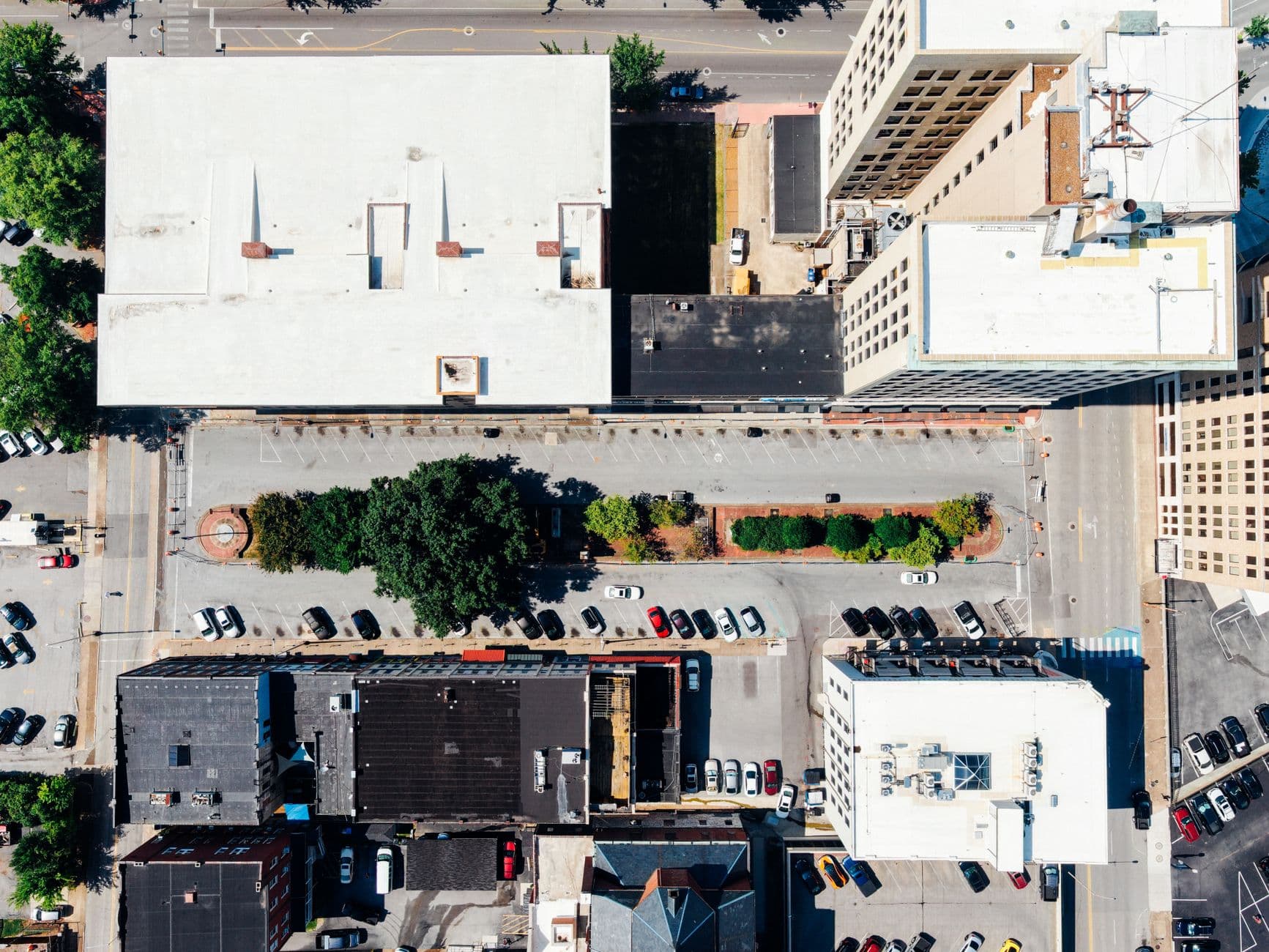
Bellaire City Council is weighing changes to parking in the city’s commercial districts as planners repeatedly revisited Section 24-514a, the ordinance governing non-single-family parking requirements. The discussion has moved through Bellaire Planning and Zoning Commission agendas from a June 12, 2025 workshop to Jan. 8, Feb. 12 and Apr. 9, 2026 review items, showing the city has not treated the issue as a quick fix.
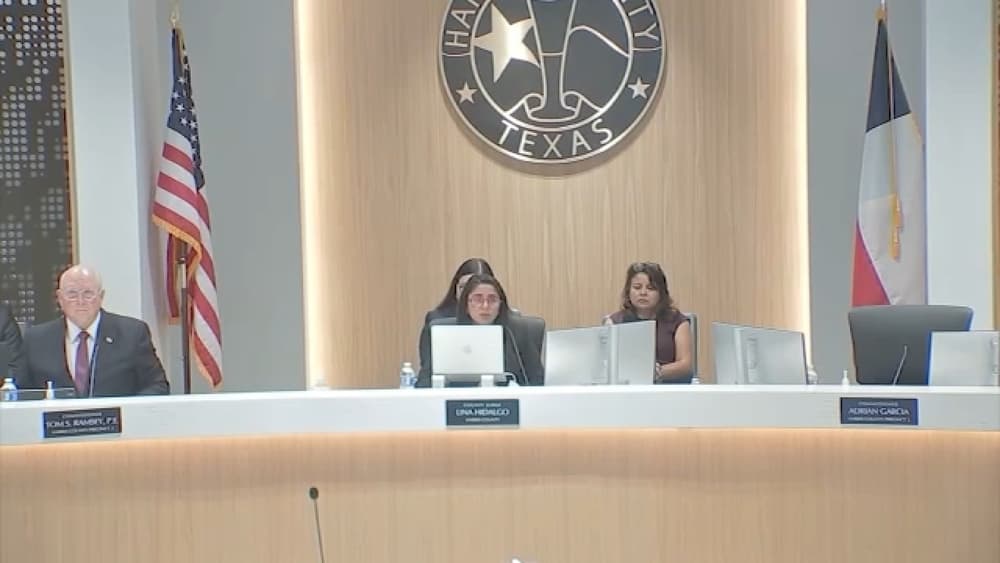
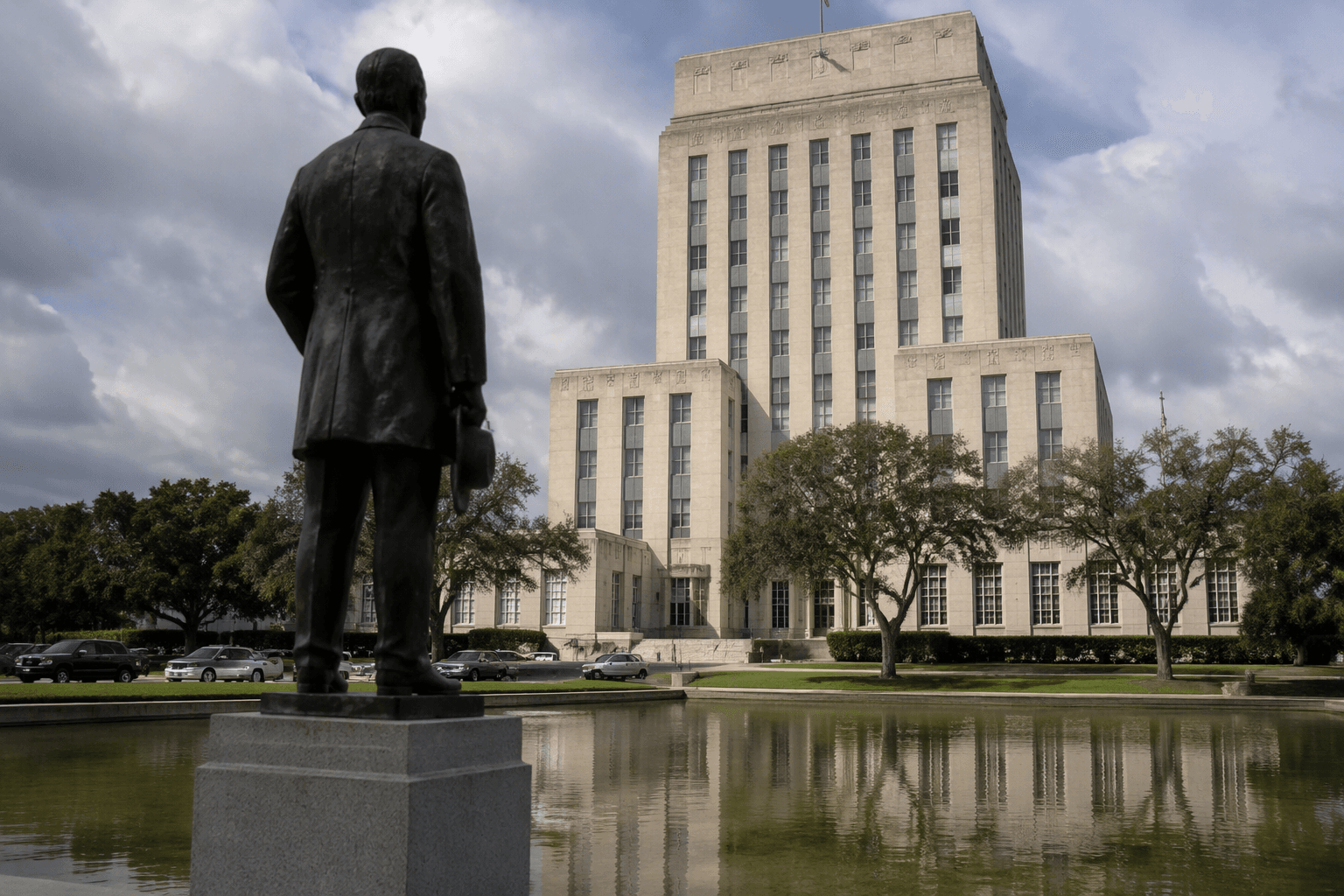
The debate matters in a city founded in 1908 and built tight around its shopping strips, where curb space, surface lots and nearby neighborhoods compete for the same limited room. Bellaire’s Planning and Zoning Commission makes recommendations to City Council on the physical development of the city, including the Comprehensive Land Use Plan, and meets the second Thursday of each month at 6 p.m. in the Council Chamber at City Hall, 7008 South Rice Avenue.
The city’s planners first signaled the pressure point at the May 8, 2025 Urban Village Workshop, when the commission expressed interest in reviewing current parking requirements for commercial properties to possibly relieve development constraints. A March 5, 2026 planning item then proposed deleting the Urban Village-Transit Oriented Development District and replacing it with a new Bellaire Makers District, placing parking policy inside a broader zoning reset rather than a standalone traffic issue.
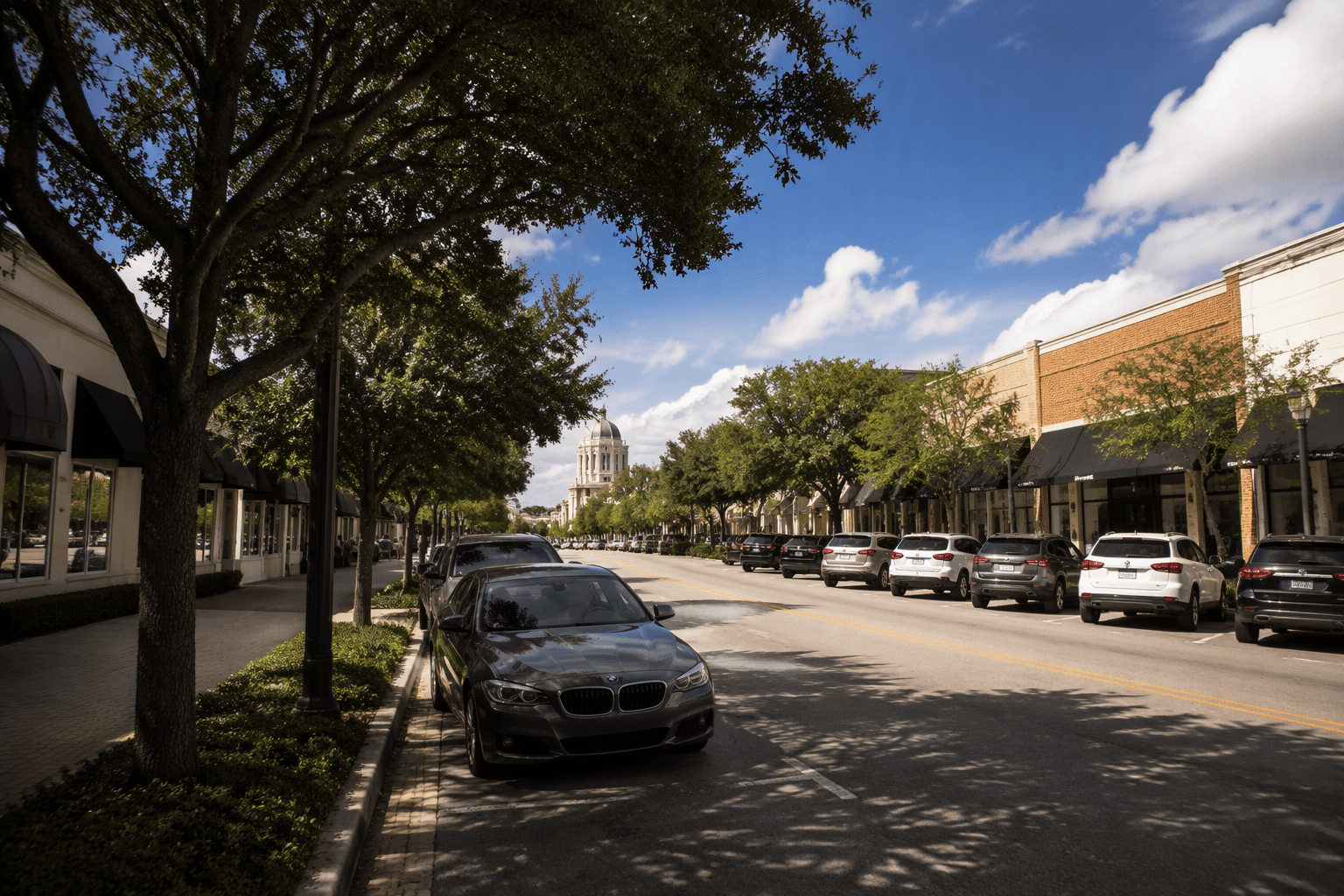
That larger context helps explain why the parking conversation has become a growth question. Merchants want enough spaces to turn over customers and keep restaurants and retail viable; residents want to keep overflow cars off neighborhood streets. In a built-out small city like Bellaire, a change to one parking minimum can ripple into where drivers circle, where employees leave cars and whether nearby blocks absorb spillover.
Even Bellaire High School’s parking information page reflects the city’s sensitivity around curb space, warning that “Parking around Bellaire is always problematic” and noting that Bellaire Police tow cars regularly. In that environment, any adjustment to commercial parking rules will force city leaders to balance easier access for customers against stronger protection for adjacent streets.
For Bellaire, the question is no longer whether parking is a side issue. It is part of how the city decides whether its commercial corridors can absorb more activity without losing the neighborhood character that has defined the community for more than a century.
This article was produced by Prism’s automated news system from verified source data, official records, and press releases, then run through automated quality and moderation checks before publishing. The system is built and supervised by the people who set the standards it runs under. Read our full AI policy.
Did this article answer your question?