Canvassers race to save inherited homes from investor takeover
Canvassers are knocking in Kashmere Gardens to keep inherited homes from slipping to investors. In Harris County, one unclear title can put a family's biggest asset at risk.
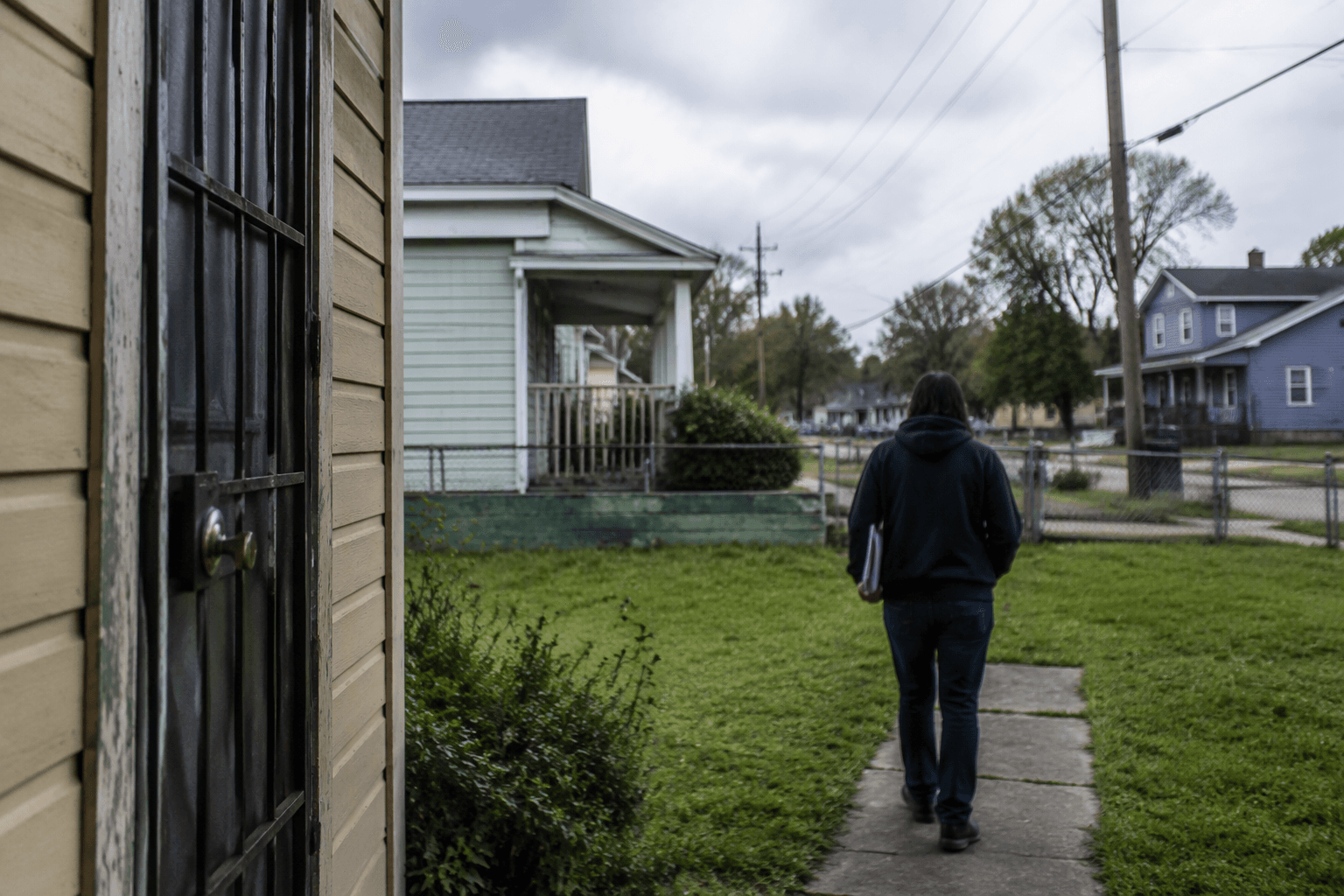
On a block in Kashmere Gardens, Edgar Sazo and Edward Iglehart are doing more than checking in with neighbors. They are looking for the paper trail that can decide whether a Houston family keeps an inherited home or loses it to an outside buyer.
The canvassers work from a weekly list of addresses they believe are most at risk for losing heirship properties, and their questions go straight to the heart of ownership: Who inherited the house, whether a will exists, and whether any legal step was ever taken to clear the title. The approach is built for prevention, not cleanup, because once a property becomes tangled, it is much easier for investors, speculators, or a tax problem to push a family toward loss.
Why inherited homes are vulnerable
A June 2026 LISC Houston report found that countless families across Harris County live in homes and on land passed down from one generation to the next without formal estate planning, probate resolution, or a clear transfer of ownership. That kind of informal inheritance can look stable from the street, but in legal terms it can be fragile, especially when no one has the paperwork needed to prove who owns what.
Unclear heirs’ property ownership can block repairs, disaster assistance, property protections, refinancing, and a clean sale. As growth and redevelopment accelerate, these homes can become exposed to foreclosure or forced sale, which turns a family asset into an opening for outside acquisition.
Kashmere Gardens has long sat at the intersection of legacy ownership, disinvestment, and redevelopment pressure. In a county where housing costs, land values, and investor interest continue to shift, a house with an unresolved title is vulnerable.
How the door-to-door effort works
On July 9, 2026, Sazo and Iglehart were photographed talking with Irene Rivera in the Kashmere Gardens area, one of the residents canvassers are trying to reach before a property problem gets worse. Keisha Carter was also identified among the residents approached during the outreach.
The model is direct. A canvasser asks whether the house passed through a death in the family, whether the title was ever changed, and whether there are unresolved legal issues that could make the property easier for an outsider to acquire. If the answer suggests an heirs’ property problem, the next step is to connect the household with legal help instead of waiting for a notice from a lender, tax office, or buyer.
Heirs’ property cases rarely arrive as one dramatic event. They build slowly through missing wills, incomplete paperwork, and generational transfers that were never formalized. By the time a family realizes the title is a problem, the home may already be too exposed.
Warning signs families should not ignore
The clearest warning sign is simple: the house is still legally tied to a relative who has died, and no one ever resolved the transfer. Another red flag is a family that has lived in the home for years but has no clear deed, no probate file, or no formal estate plan showing how ownership moved from one generation to the next.
Other warning signs can be harder to notice at first:
- Taxes are falling behind or notices keep arriving in a deceased relative’s name.
- Repairs, refinancing, or disaster aid are blocked because ownership is unclear.
- Several heirs are informally linked to the property, but no one has legal authority to act.
- Mail from buyers or investors starts arriving before the family has settled the title.
Without clear ownership, families can lose access to the tools that help them keep, fix, or safely pass down the house.
Where families can turn in Harris County
The county’s Domestic Relations Office lists the Houston Volunteer Lawyers Program and Lone Star Legal Aid among community legal resources available to residents.
Lone Star Legal Aid has also hosted outreach on “Untangling Ownership: Heirs Property and Title Issues” at the Harris County Robert W. Hainsworth Law Library in Houston, framing the problem as a legal one tied to inheritance and title, not just a housing counseling issue. Heirs’ property often requires probate help, deed work, or other formal legal steps before a family can protect the home.
The National League of Cities has recently highlighted heirs’ property and Black land ownership in cities, and the Center for Heirs’ Property Preservation’s mission is to help families protect land, preserve legacy, and build generational wealth. In historically Black communities, where titles were often never formalized after a death, that work is tied directly to whether families can keep the homes that anchor their history.
This article was produced by Prism’s automated news system from verified source data, official records, and press releases, then run through automated quality and moderation checks before publishing. The system is built and supervised by the people who set the standards it runs under. Read our full AI policy.
Did this article answer your question?