Harris County DA certifies ICE shooting witnesses as crime victims
Sean Teare's office certified two ICE-shooting witnesses as victims, a step that can help unlock U visas and keep them in the case.
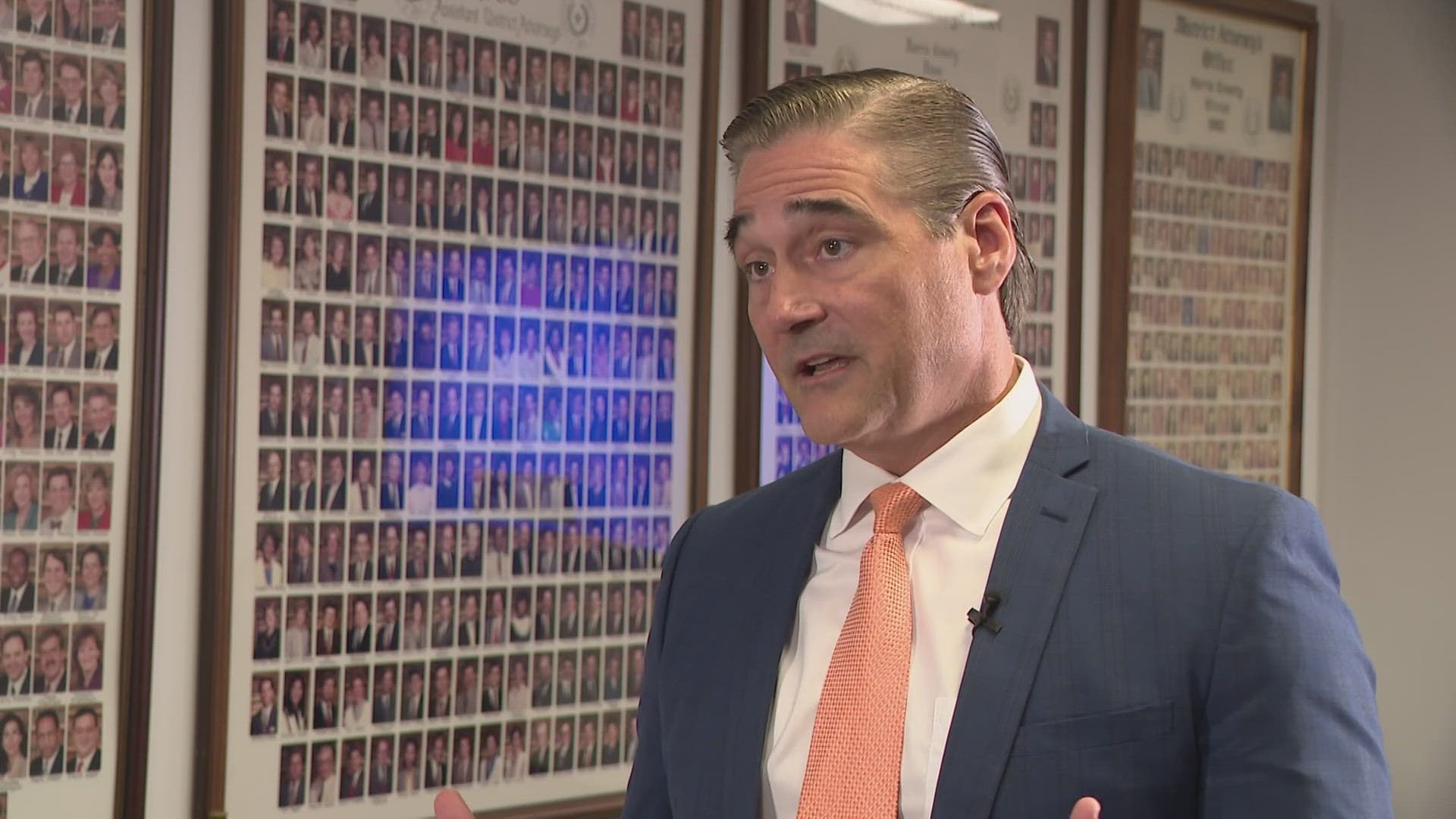
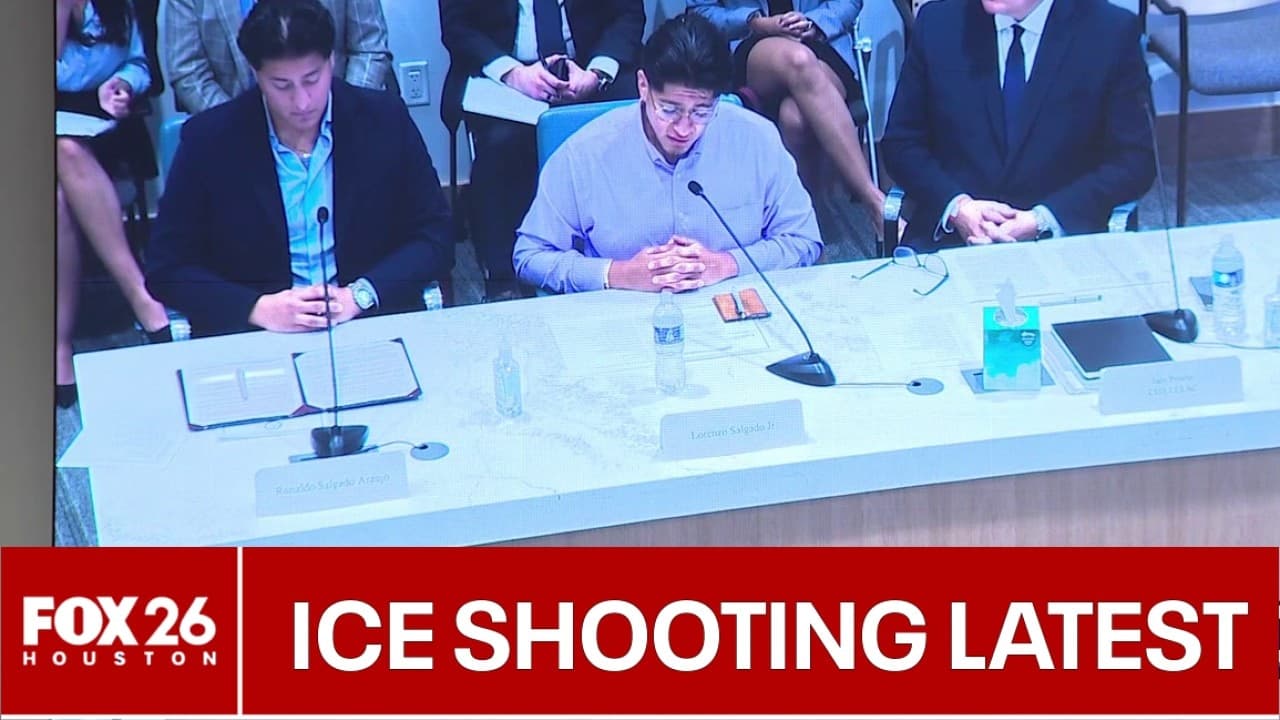
Harris County District Attorney Sean Teare’s office certified two witnesses tied to the fatal ICE shooting in Houston as victims of alleged violent crimes, according to official documents. The certification gives the witnesses a key immigration-law document that can support a U visa application while the local and federal investigations continue.
The paperwork matters because a U visa certification, filed on Form I-918, Supplement B, tells U.S. Citizenship and Immigration Services that a person was a victim of a qualifying crime and was helpful, is helpful or is likely to be helpful in the investigation or prosecution. USCIS requires that certification before a petitioner can seek U nonimmigrant status, a relief category that can let eligible victims live and work in the United States and, in some cases, move toward permanent residency.
Teare’s office moved to help the witnesses avoid deportation while the investigation unfolded. That approach tracks with federal guidance on U visas, which says the system is meant to support law enforcement in investigating and prosecuting crimes against immigrant victims and to build trust between immigrant communities and police and prosecutors.
The certification also comes as Harris County officials continue to examine the shooting of Lorenzo Salgado Araujo by a federal immigration agent in Houston’s Magnolia Park neighborhood. Teare has said his office is treating the matter as a criminal investigation, and county leaders have pushed for an independent look at the killing and the actions of federal agents involved.
For immigrant communities across Harris County, the move could affect whether witnesses come forward in violent-crime cases. A signed certification can show that a witness’s cooperation has value to prosecutors, while also offering a path to legal protection for people who might otherwise fear that talking to investigators could lead to detention or removal. In cases involving shootings, assaults or other violent offenses, that balance can determine whether witnesses stay engaged long enough for detectives to build a case.
This article was produced by Prism’s automated news system from verified source data, official records, and press releases, then run through automated quality and moderation checks before publishing. The system is built and supervised by the people who set the standards it runs under. Read our full AI policy.
Did this article answer your question?