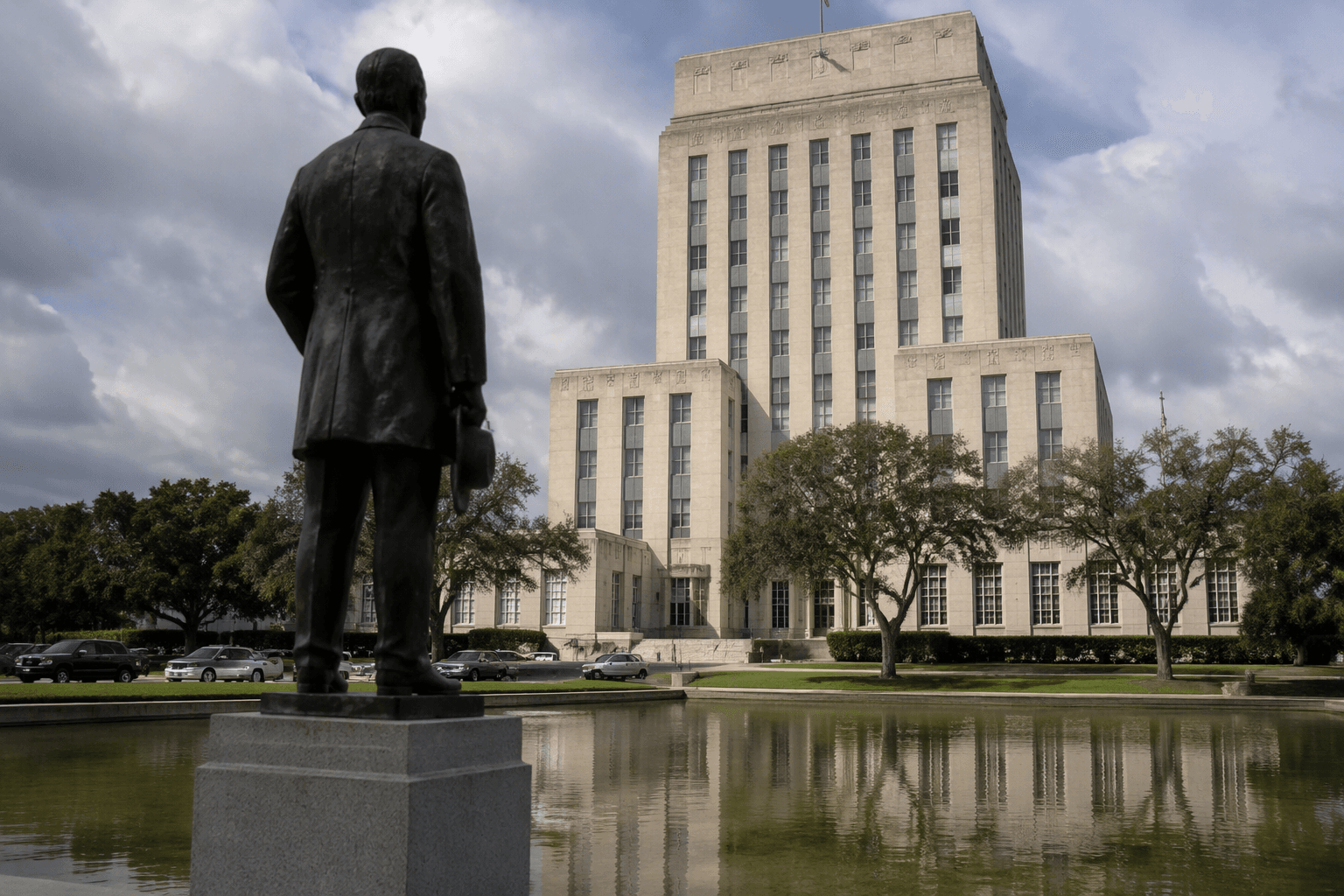
Harris County expands flood mitigation projects across the Houston metro
Harris County finished another detention basin in northeast Houston as White Oak Bayou residents still wait for stalled work. Officials are ranking projects through the 2018 bond program.
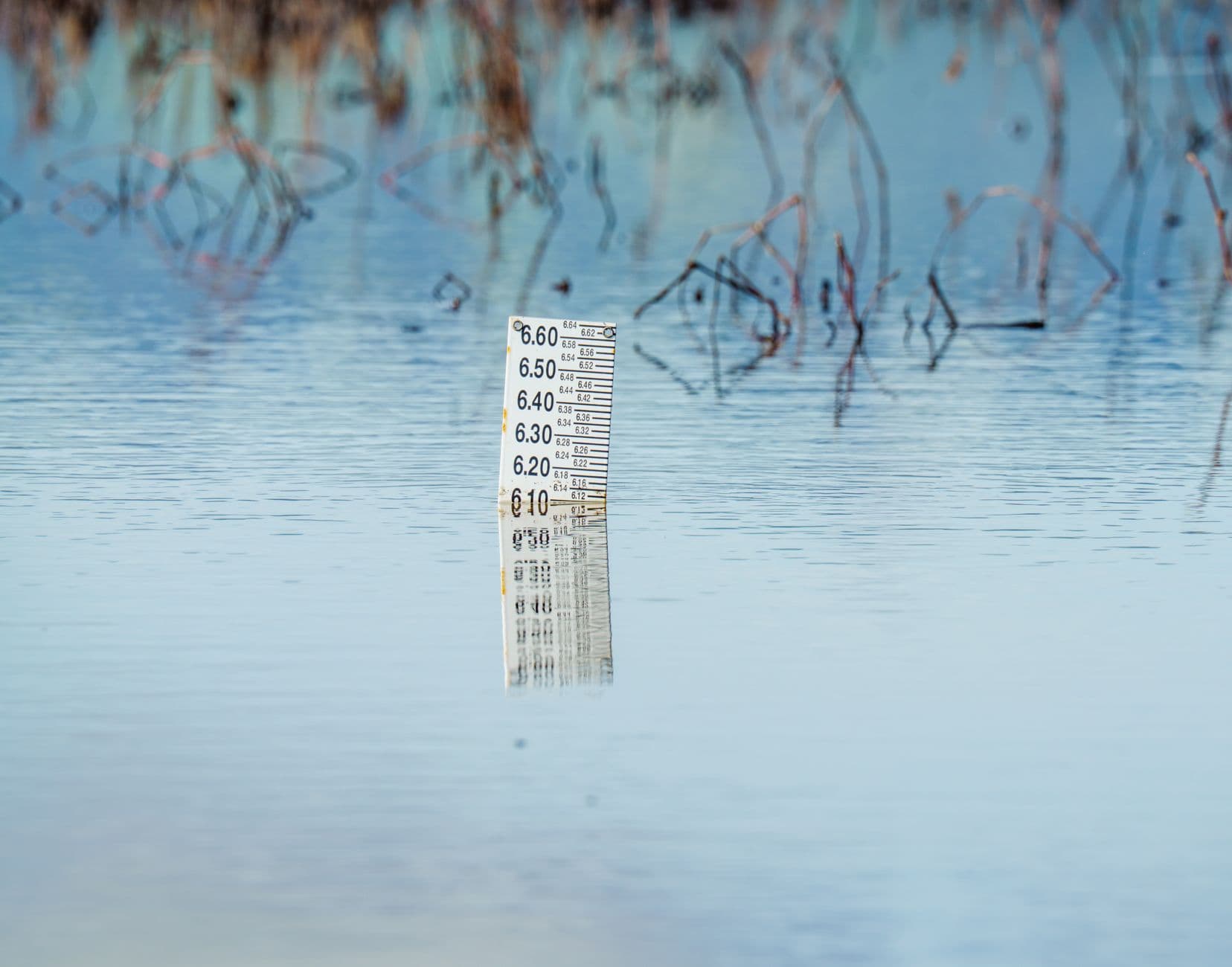
Harris County Flood Control District marked completion of Phase 2 of the C-34 Lauder Stormwater Detention Basin in the Greens Bayou watershed, adding another piece to a countywide flood-mitigation buildout aimed at northeast Harris County. A Texas Water Development Board video later described the basin as reducing flood risk for the area.
The Lauder project is part of a wider mix of detention basins and channel improvements that has also included the Mud Gully, also known as Beamer Ditch, Channel Conveyance Improvements Project, which received a construction completion notice on Dec. 26, 2024, and the completed Yale Stormwater Detention Basin. HCFCD says stormwater detention works by temporarily storing runoff and releasing it more slowly, a design meant to reduce downstream flooding when heavy rain hits the flat, fast-growing Houston metro.
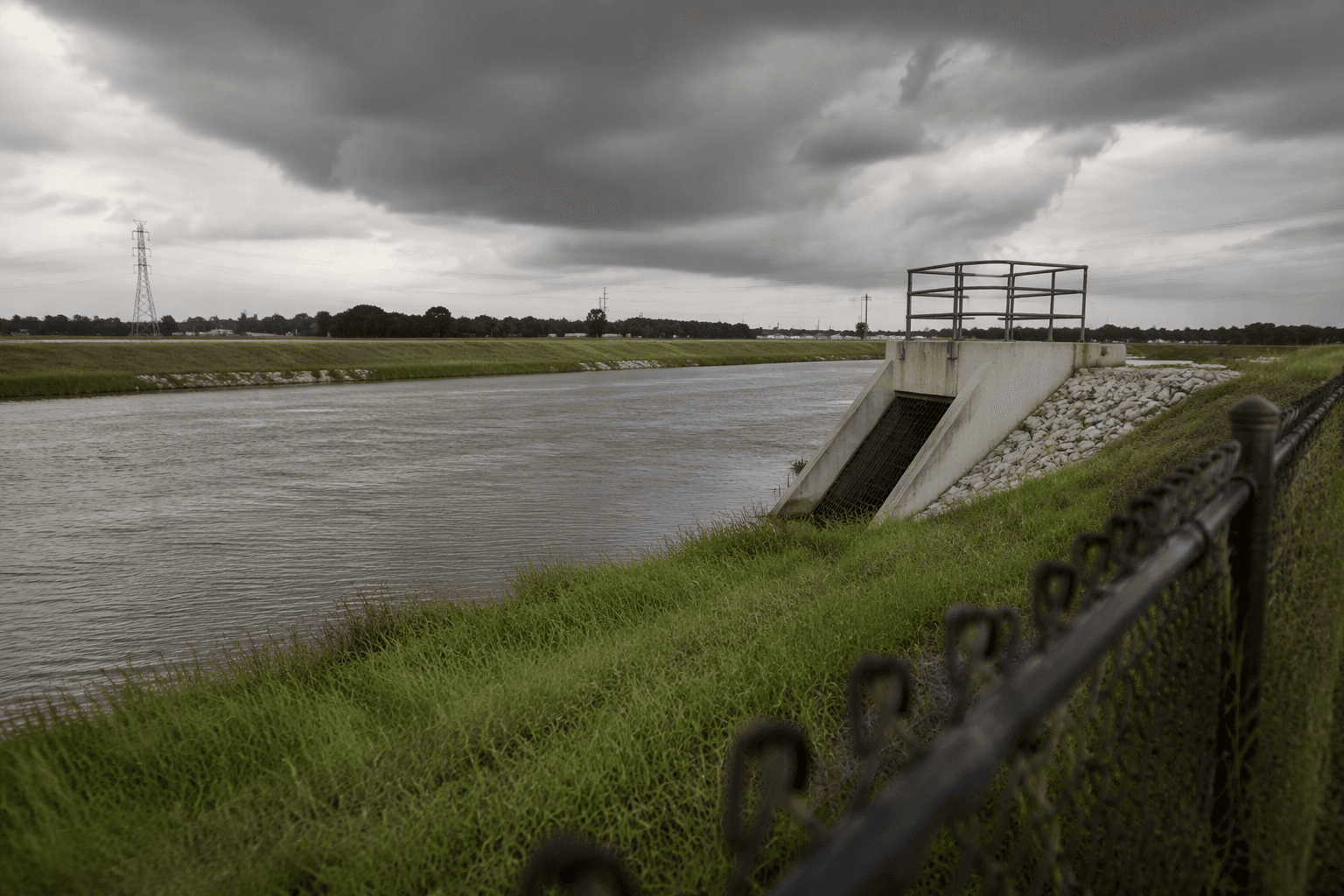
That buildout is not landing evenly across Harris County. Residents along White Oak Bayou have already voiced frustration over halted construction tied to the county’s effort to save $322 million in Harvey flood projects, a reminder that some neighborhoods are seeing new protection while others are still waiting. The stakes are higher because development has kept pushing into risky places: a Houston Chronicle investigation published Sept. 9, 2025 found that 65,000 new Houston-area properties were built in floodplains since Hurricane Harvey.
Officials are sorting projects through the 2018 flood control bond program, a $2.5 billion package voters approved after Harvey. A Harris County Auditor’s Office memorandum dated June 23, 2025 discussed the program’s prioritization framework, and HCFCD told Commissioners Court two days later that the bond effort was evolving to deliver on a historic commitment. That framework matters because the county has to decide where to send limited money first, and which neighborhoods can wait longer for channels, detention basins, and other fixes.
The pressure has only grown. By May 2026, six flood-mitigation projects tied to the 2018 bond were on track to miss a state-imposed deadline early the following year, and a separate federal funding timeline could put millions of dollars in Harris County flood-control work at risk. Rice University’s Kinder Institute said in an Oct. 16, 2025 piece that the county’s flood resilience plan is meant to prepare residents and businesses for the next big storm, but the most vulnerable parts of Harris County still depend on whether the buildout reaches them before the next major rain.
This article was produced by Prism’s automated news system from verified source data, official records, and press releases, then run through automated quality and moderation checks before publishing. The system is built and supervised by the people who set the standards it runs under. Read our full AI policy.
Did this article answer your question?