Harris County moves ahead with $32.7 million flood protection project
A $32.7 million reconstruction of Poor Farm Ditch is aimed at shielding about 500 homes in West University Place and Southside Place from higher stormwater.

Harris County broke ground Sunday on a $32.7 million reconstruction of Poor Farm Ditch, a drainage project meant to protect about 500 homes in West University Place and Southside Place. The ceremony was held at 9 a.m. at the Southside Place Police Department on Edloe Street in Houston.
Poor Farm Ditch is a man-made channel built more than 55 years ago that carries stormwater from surrounding neighborhoods in southwest Harris County to Brays Bayou. The reconstruction will modernize about 3,100 linear feet of the ditch, widen it from roughly 30 feet to 40 feet and deepen it from 7.5 feet to 10 feet. That will increase the channel’s effective flow area by more than 60 percent. Fletcher said the work will raise the ditch’s capacity from a 10-year storm event to a 50-year storm event, a change aimed at keeping heavy rain from turning into repeated household flooding in the inner loop.
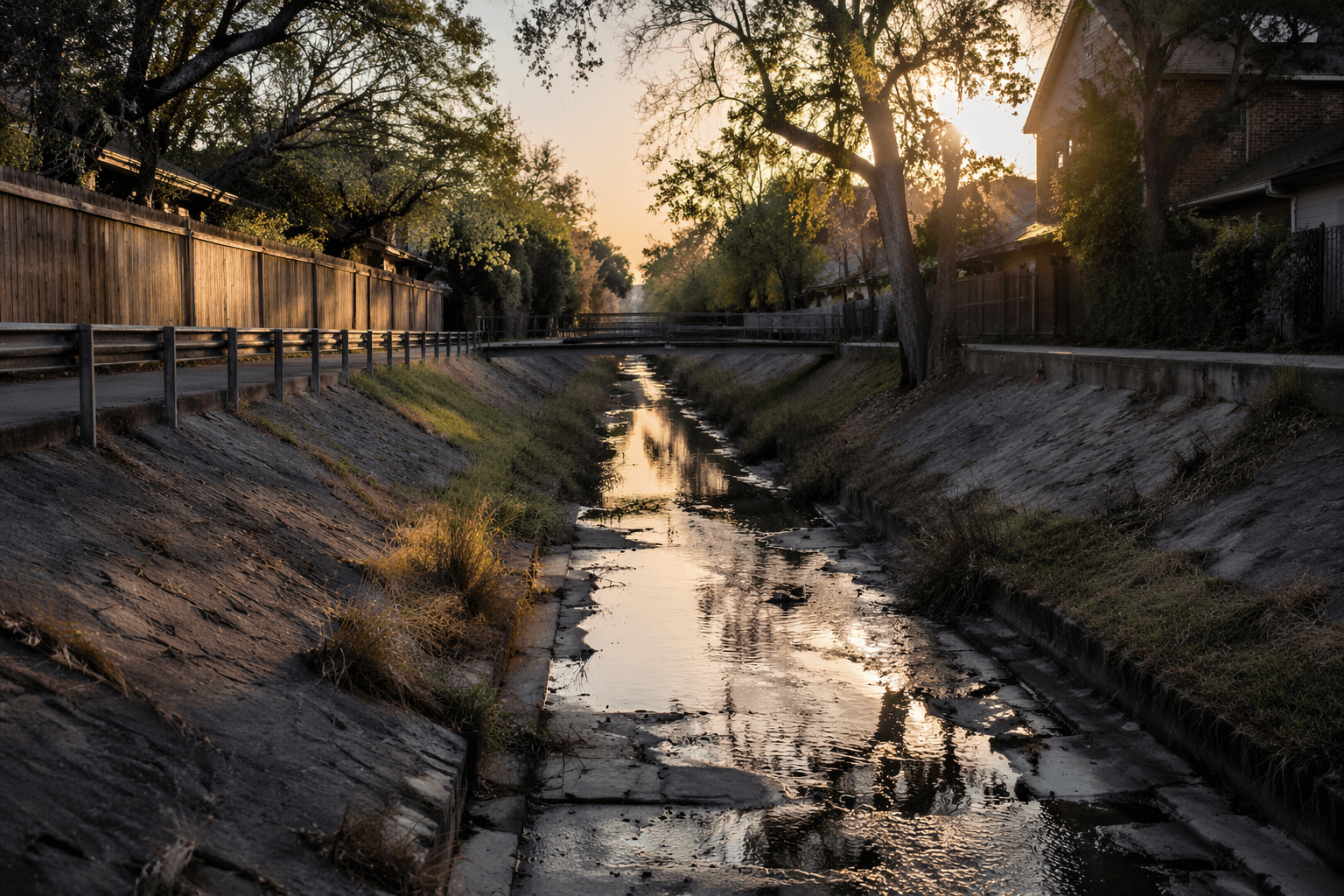
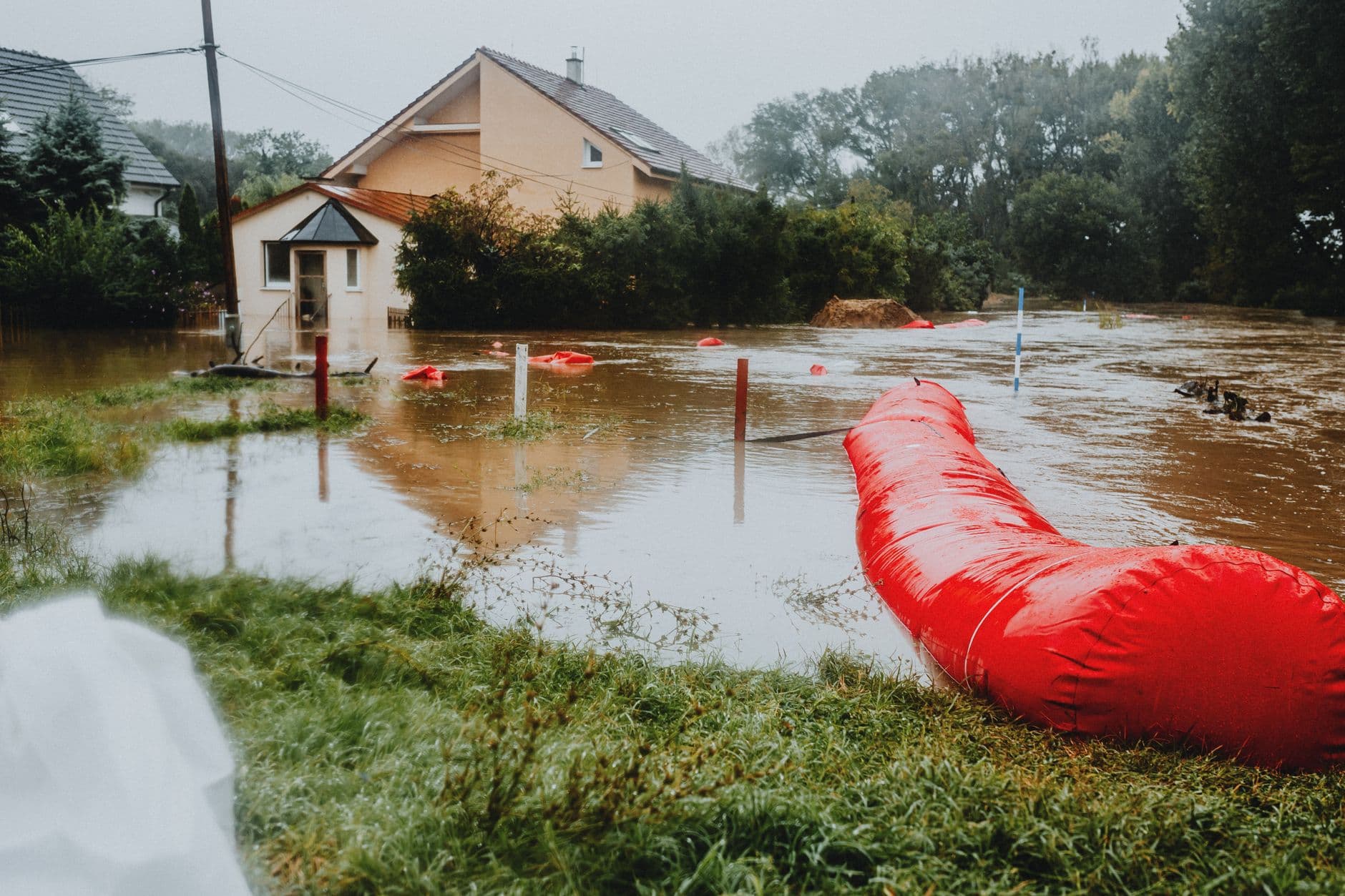
The channel serves parts of West University Place, Southside Place, Houston and Bellaire inside the Brays Bayou watershed, which spans about 127 square miles and includes about 121 miles of open streams. The watershed has seen severe flooding on average at least once every decade, and the Flood Control District says a major flood somewhere in Harris County comes about every two years. West University Place said in December 2025 that construction could take two to four years, and the city has budgeted $200,000 for project enhancements including replacement of a pedestrian bridge and root barriers for future landscaping. The Flood Control District says about $541 million is available for mitigation projects through CDBG-MIT, with an expenditure deadline of March 31, 2028. The district was created in 1937 after the devastating floods of 1929 and 1935.
This article was produced by Prism’s automated news system from verified source data, official records, and press releases, then run through automated quality and moderation checks before publishing. The system is built and supervised by the people who set the standards it runs under. Read our full AI policy.
Did this article answer your question?