Houston airports get $126 million for runway and infrastructure upgrades
Hobby will get more than $62.2 million for Runway 13R-31L, part of a $126 million federal package aimed at keeping Houston airports moving.

Houston Airports secured more than $126 million in federal grants for capital work at William P. Hobby Airport and George Bush Intercontinental Airport, with the biggest single slice aimed at a runway at Hobby that handles daily passenger traffic across Harris County. The money came from Federal Aviation Administration grants announced July 2 as part of a $1.776 billion national airport-infrastructure program.
At Hobby, more than $62.2 million will support rehabilitation of Runway 13R-31L, a project Houston Airports has been planning for more than a year. The airport system issued notice of a Draft Environmental Assessment for the runway reconstruction on January 15, 2025, and the FAA approved a Finding of No Significant Impact and Record of Decision on April 23, 2025. Houston Airports’ contracting materials describe the work as full-depth concrete pavement reconstruction of Runway 13R-31L and high-speed taxiways M1 and M3, a sign that the grant is aimed at major pavement renewal rather than routine patchwork.
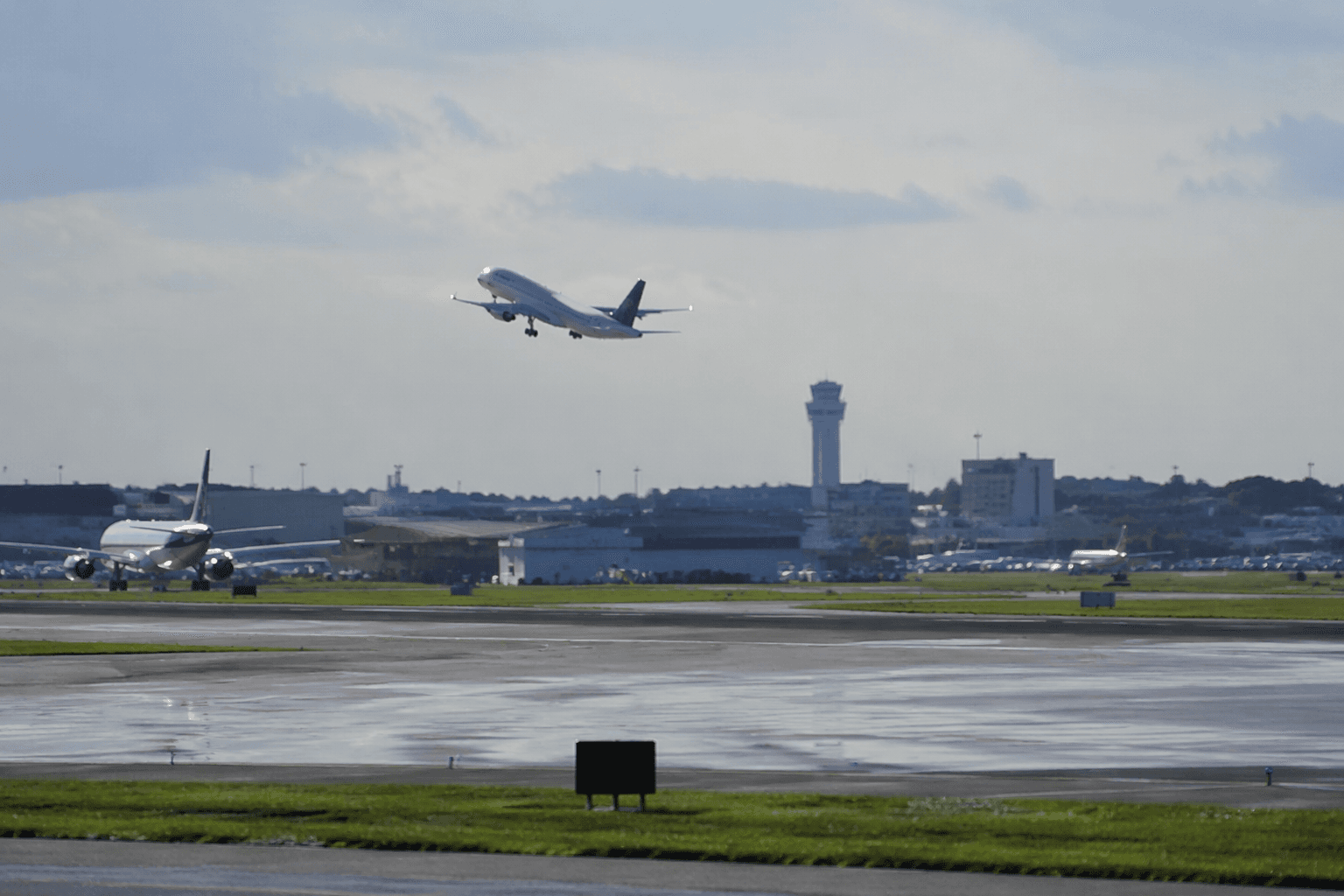
The payoff is concrete for passengers and airlines: better runway conditions can reduce weather-related slowdowns, support more reliable flight schedules, and improve safety margins when traffic is heavy. Houston Airports has also described Hobby as the city’s oldest commercial airport, which makes the runway investment a long-term maintenance issue as much as a capacity upgrade.
The federal dollars also reach Bush Airport, where Houston Public Media reported that about $62 million will go to inter-terminal train systems, airfield drainage infrastructure and HVAC modernization in Terminal D. Houston Airports said the broader package will also support improvements to the IAH Skyway, along with drainage and HVAC efficiencies, making the grant one of the larger recent federal injections into the airport system’s basic operating hardware.
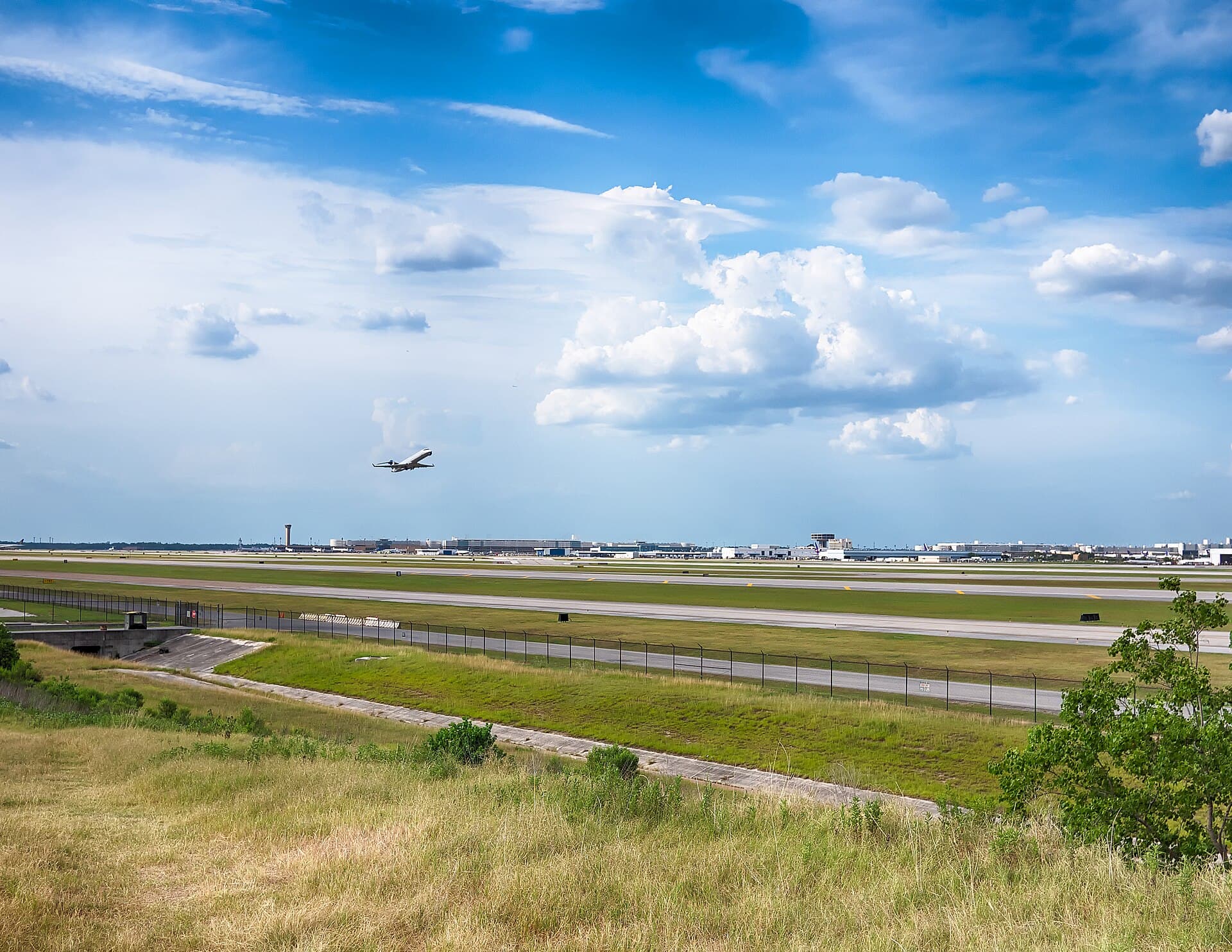
For travelers and workers, the first signs may not be glamorous. Runway rehabilitation can bring construction activity, temporary scheduling shifts and airside disruptions before it delivers smoother operations. But the spending plan is pointed at the parts of the system that matter most when Houston’s airports are under pressure: pavement, trains, drainage and climate control. Those are the pieces that determine whether planes keep moving, terminals stay usable in peak heat and storms, and the county’s main aviation gateway can absorb future demand without falling further behind.
This article was produced by Prism’s automated news system from verified source data, official records, and press releases, then run through automated quality and moderation checks before publishing. The system is built and supervised by the people who set the standards it runs under. Read our full AI policy.
Did this article answer your question?