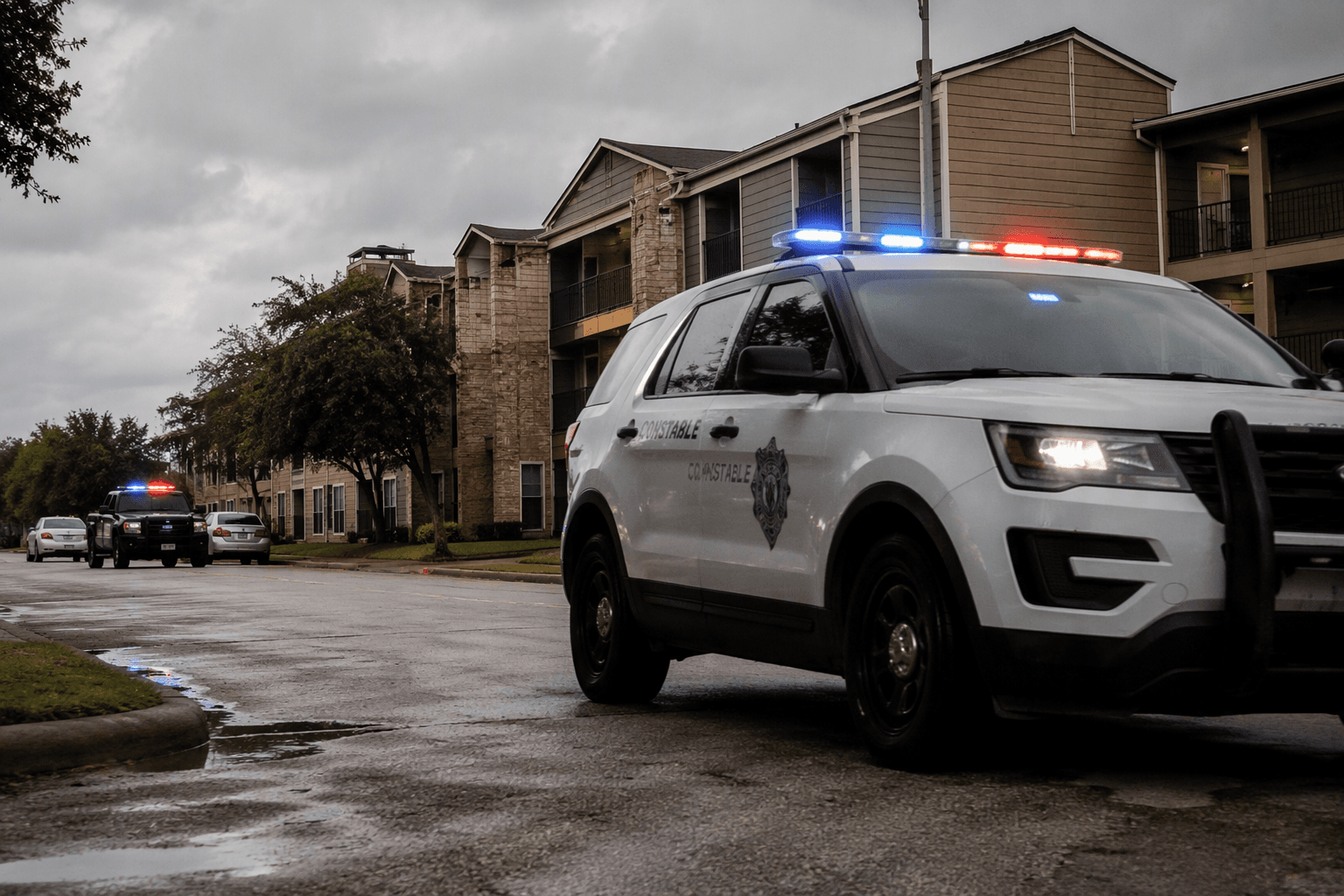
Judge upholds stricter soot limits affecting Harris County air quality
A federal judge upheld the EPA’s 9.0-microgram soot standard, tightening pressure on Houston Ship Channel industries and the neighborhoods closest to them.
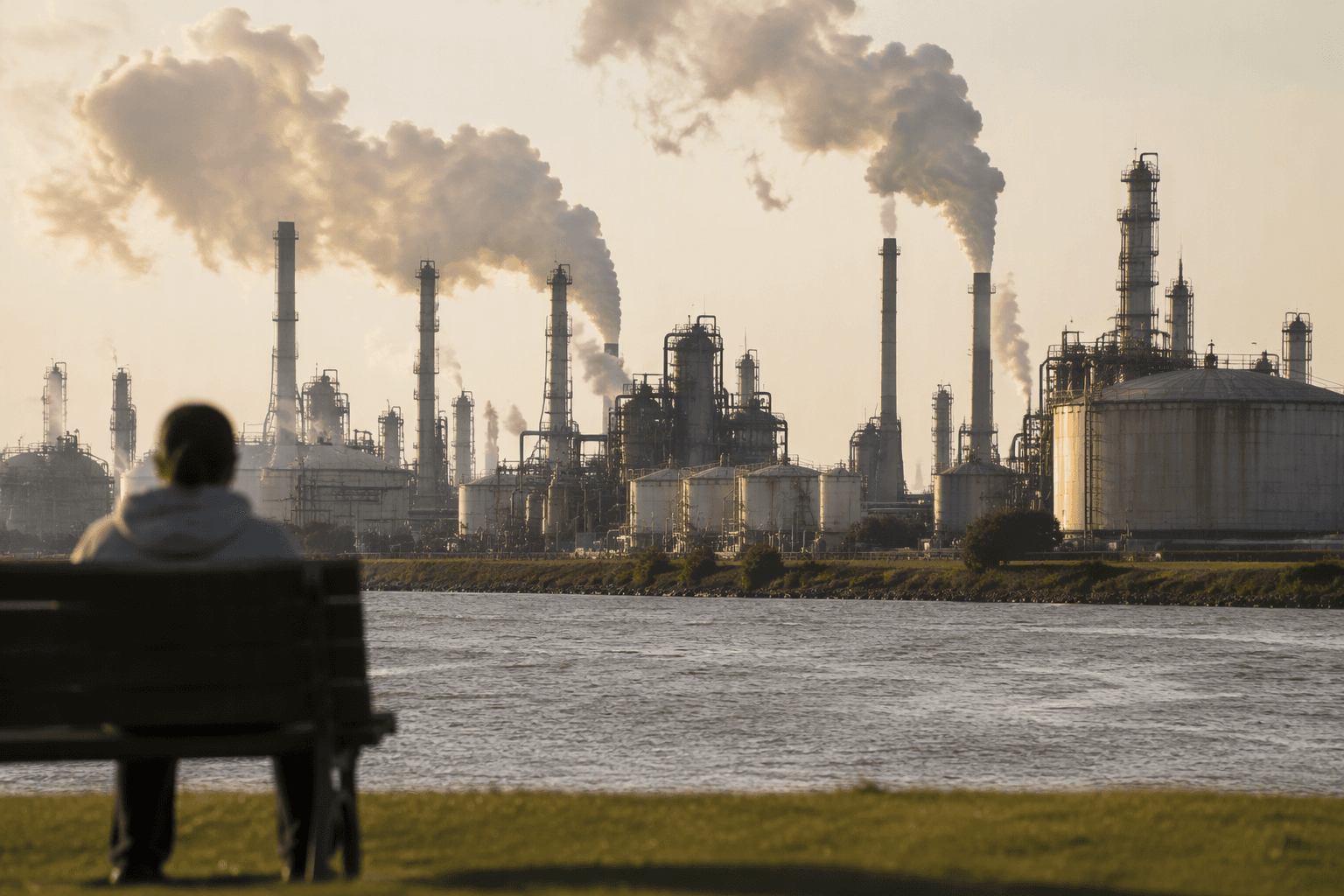
A federal judge upheld the U.S. Environmental Protection Agency’s stricter fine-particle limits, keeping the 9.0 micrograms per cubic meter annual standard in place for PM2.5, the soot-sized pollution linked to heart and lung harm. In Harris County, the decision matters most in neighborhoods closest to the Houston Ship Channel, where traffic, industrial combustion, shipping and petrochemical activity all add to the air residents breathe.
The EPA finalized the tougher soot rule on Feb. 7, 2024 and published it in the Federal Register on March 6, 2024. Agency officials said the change reflected newer science on the health harms of particle pollution. Fine particles can come from dust, smoke, power plants, shipping sources and transportation, which makes the standard especially relevant in an industrial county like Harris.
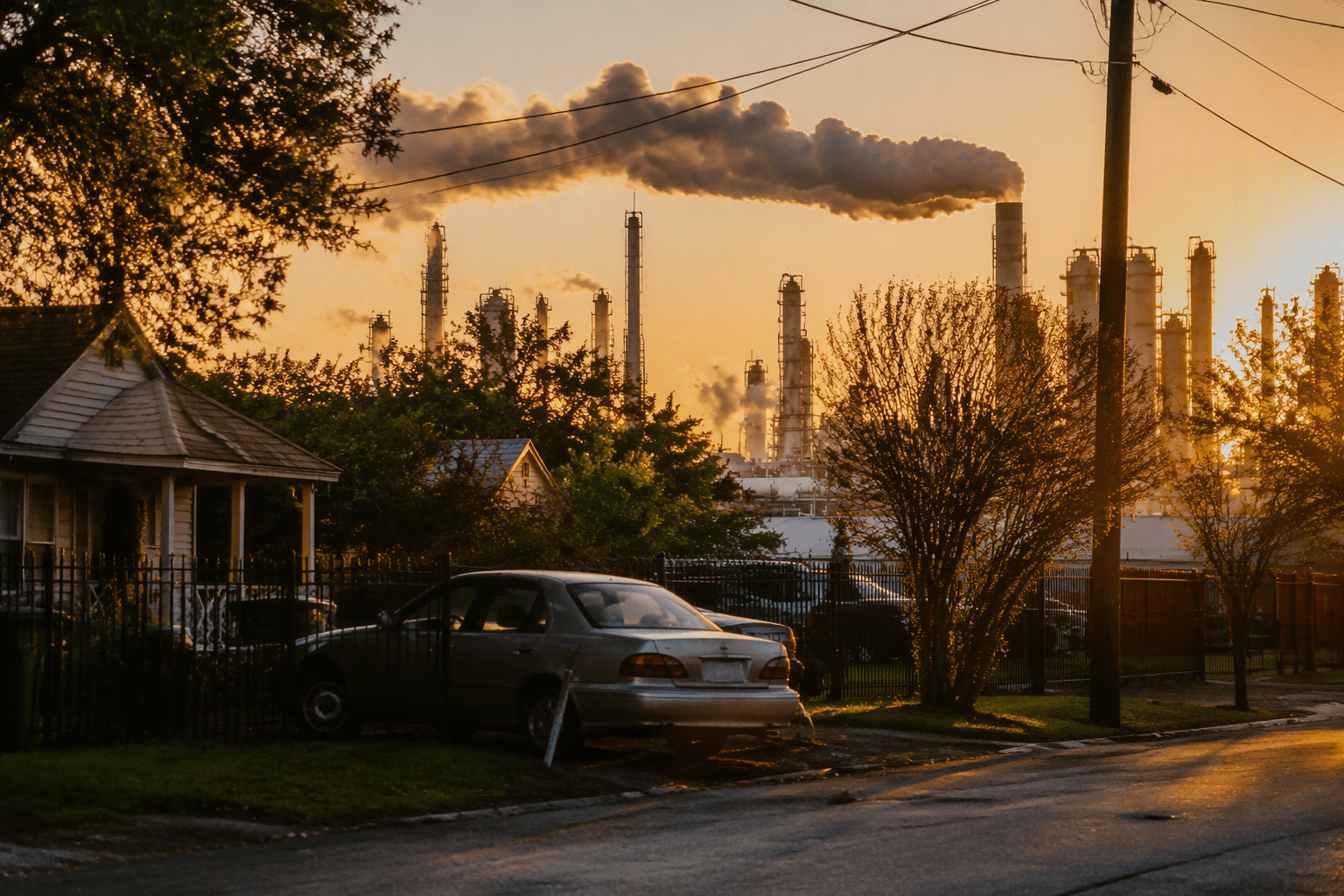
Harris County already sits in one of Texas’ longest-running air-quality trouble spots. Texas Commission on Environmental Quality ozone history materials describe the Houston-Galveston-Brazoria region as a long-running ozone nonattainment area, and Houston-area monitors recorded violations of health-based ozone standards on 55 days in 2023, the most since 2011. In April 2022, the EPA said Houston and Dallas might need more aggressive smog controls after failing to meet federal standards, a warning that underscored how often the region has drawn federal pressure over dirty air.
The health stakes are immediate. Harris County Public Health says air pollution can trigger asthma and worsen respiratory and cardiovascular disease. That burden lands unevenly in places near the Ship Channel, where a 2024 Texas Tribune and Governing report said public air-monitoring data can be hard to interpret and often inadequate for Latino-majority neighborhoods trying to judge whether the air is safe.
A 2025 NASA Ames technical paper on Harris County found the county faces heightened air pollution from both urban and industrial sources and that some areas carry a high burden of pollution and related public-health impacts. For families in those areas, a tighter federal soot standard is only meaningful if it changes what comes out of stacks, flares and tailpipes.
That is where compliance pressure shifts to business. Power plants, petrochemical facilities, shipping operators and transportation companies can expect closer scrutiny as the standard stays in force. Harris County Pollution Control Services Department says emissions events, including smoking flares and releases during startup, shutdown or maintenance, can cause unauthorized air contaminant emissions.
Air Alliance Houston, which says it works to defend the Clean Air Act and advance protective statewide legislation, has long tied federal air rules to local health and environmental justice concerns. The practical test for residents will be simple: fewer bad-air days, cleaner PM2.5 readings, and a visible drop in the pollution that has shadowed the county for years.
This article was produced by Prism’s automated news system from verified source data, official records, and press releases, then run through automated quality and moderation checks before publishing. The system is built and supervised by the people who set the standards it runs under. Read our full AI policy.
Did this article answer your question?