NRG opens new Houston power plant to boost storm resilience
NRG’s TH Wharton plant adds 456 megawatts to the Texas grid, but Harris County still has to ask who gets power when the next storm hits.
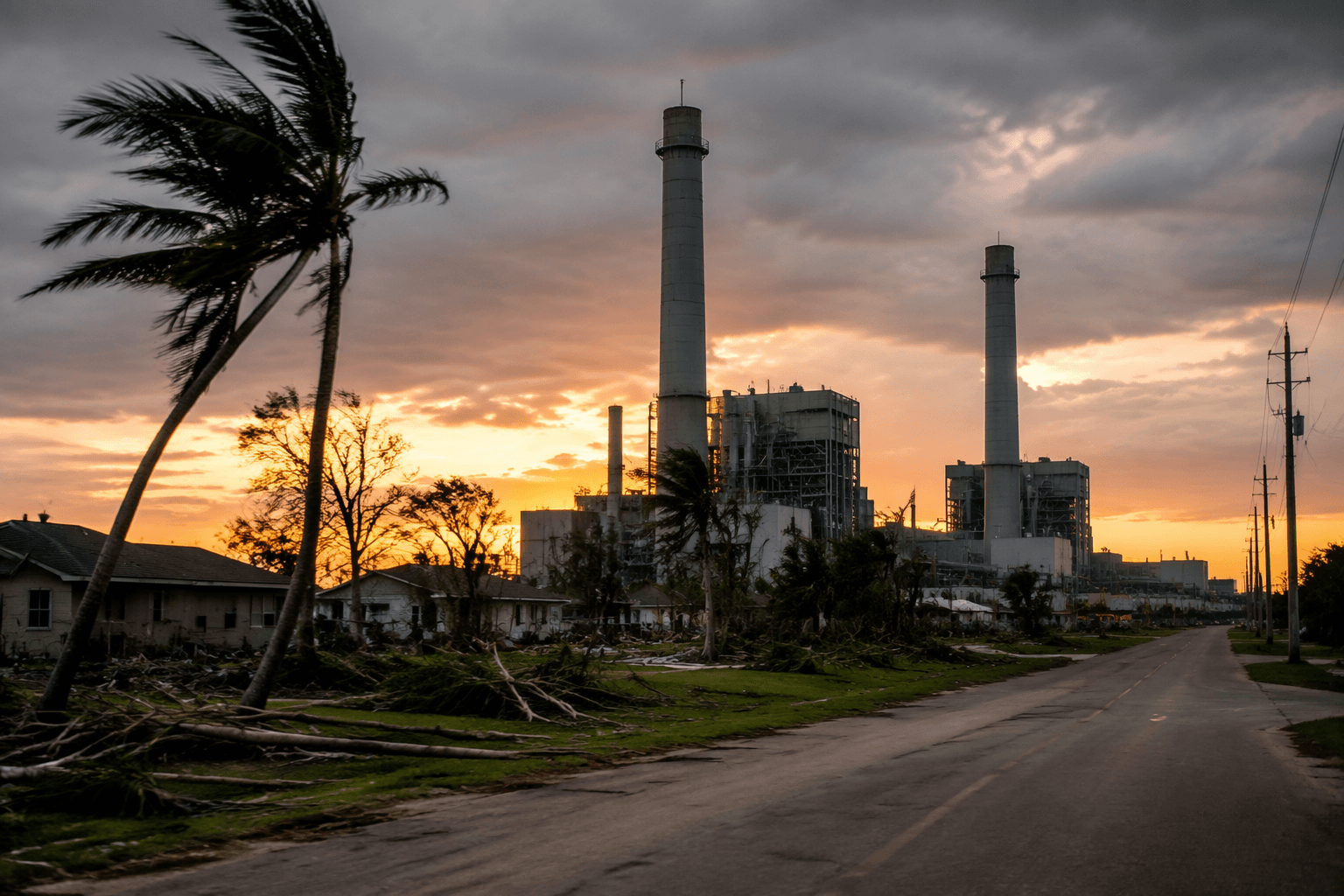
NRG Energy opened its first new power plant in more than 10 years at the TH Wharton location in Houston, adding 456 megawatts to the Texas grid with a $216 million Texas Energy Fund loan. The company is presenting the project as a hurricane-season resilience play in a region where a blackout can turn into a health emergency within hours.
The capacity figure is large enough to power more than 100,000 homes during peak times, but that does not answer the harder Harris County question: which homes, hospitals and critical services actually stay up when the next major storm rolls in. Power generation is only one piece of the system, and the people who lived through the last big outage know that local wires, substations and repair crews determine how much of that new supply reaches neighborhoods.
Hurricane Beryl showed how far-reaching the damage can be. Reuters reported in July 2024 that nearly a million homes and businesses in Texas were still without power days after landfall. Houston Public Media counted at least 22 Houston-area deaths tied to Beryl, with more than half linked to power outages.
That history helps explain why ERCOT’s 2024 Grid Reliability and Resiliency Assessment included a summer hurricane scenario. It also explains why state leaders backed the Houston project through the Texas Energy Fund, even as NRG keeps expanding. In March 2025, the company announced plans for four new natural gas plants aimed at AI demand, signaling that reliability planning and load growth are now moving together in Texas.
NRG has also posted hurricane-preparedness guidance in its Resource Center, but the local reality check remains the same. A 456-megawatt plant can help strengthen the ERCOT region, yet Harris County families, hospitals and emergency responders will still depend on how well the rest of the grid holds together when the next storm arrives.
This article was produced by Prism’s automated news system from verified source data, official records, and press releases, then run through automated quality and moderation checks before publishing. The system is built and supervised by the people who set the standards it runs under. Read our full AI policy.
Did this article answer your question?