Woodforest Charitable Foundation gives $3.3 million to Houston-area nonprofits
Woodforest Charitable Foundation handed $3.3 million to 55 Houston-area nonprofits, with grants aimed at veteran services and youth education across Harris County.
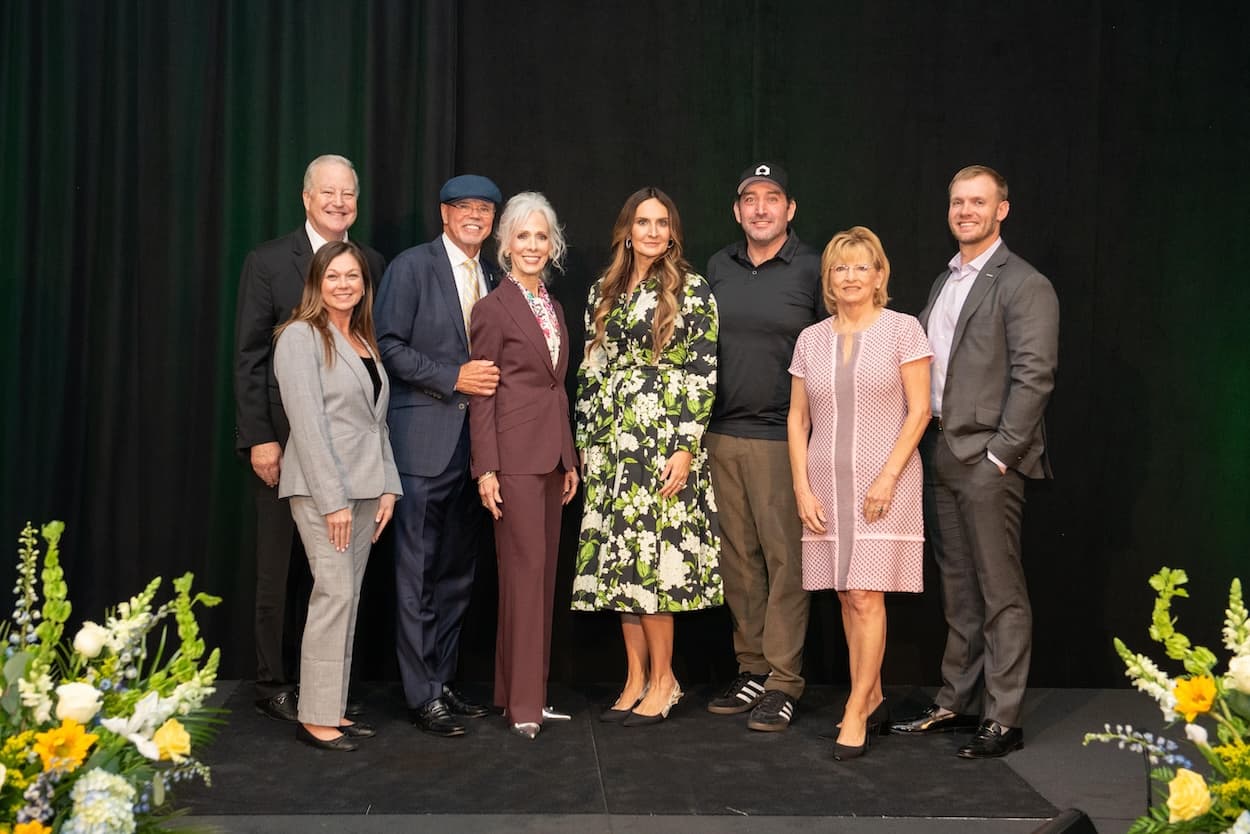
Woodforest Charitable Foundation awarded $6.7 million to 232 nonprofit organizations in 2026, including $3.3 million to 55 local and regional charities serving the Houston area. The grants put new money into the part of Harris County where nonprofits often cover gaps in education, veteran support, food assistance, housing stability and youth programming.
The strongest local signal in the award round was the split between veteran-serving groups and youth education organizations, two categories that often face steady demand and limited flexible dollars. Veteran nonprofits typically use unrestricted support to keep transition services, counseling, job placement help and community engagement programs open. Youth education groups lean on similar dollars for tutoring, enrichment, scholarships, mentoring and school-readiness help, especially in neighborhoods where family budgets are already stretched.

For Harris County residents, the immediate impact will not be a headline number but a set of programs that can stay active through the next school year and beyond. If the money holds, families should see veteran support organizations with more room to maintain counseling and employment services, and youth groups with a better shot at keeping tutoring sessions, mentoring hours and after-school enrichment on the calendar instead of cutting them back.
That matters in a county as large and uneven as Harris, where private philanthropy often determines whether smaller nonprofits can keep pace with need. A grant round like this does not replace public funding, but it can stabilize neighborhood-level services in Houston-area communities that rely on local charities to fill in the gaps left by government budgets and household strain.
The clearest measure of success over the next 6 to 12 months will be local delivery: whether the 55 grantees keep staff paid, preserve existing programs and reach more residents without reducing services elsewhere. In a region where nonprofit capacity is often the difference between a program surviving and shutting down, the real test is how many families, students and veterans see the help show up on schedule.
This article was produced by Prism’s automated news system from verified source data, official records, and press releases, then run through automated quality and moderation checks before publishing. The system is built and supervised by the people who set the standards it runs under. Read our full AI policy.
Did this article answer your question?