Abbott’s H-1B visa limits could slow MD Anderson cancer research
Abbott’s H-1B limits could leave MD Anderson with fewer scientists for cancer labs and trials. Harris County patients may feel the slowdown in the Texas Medical Center.
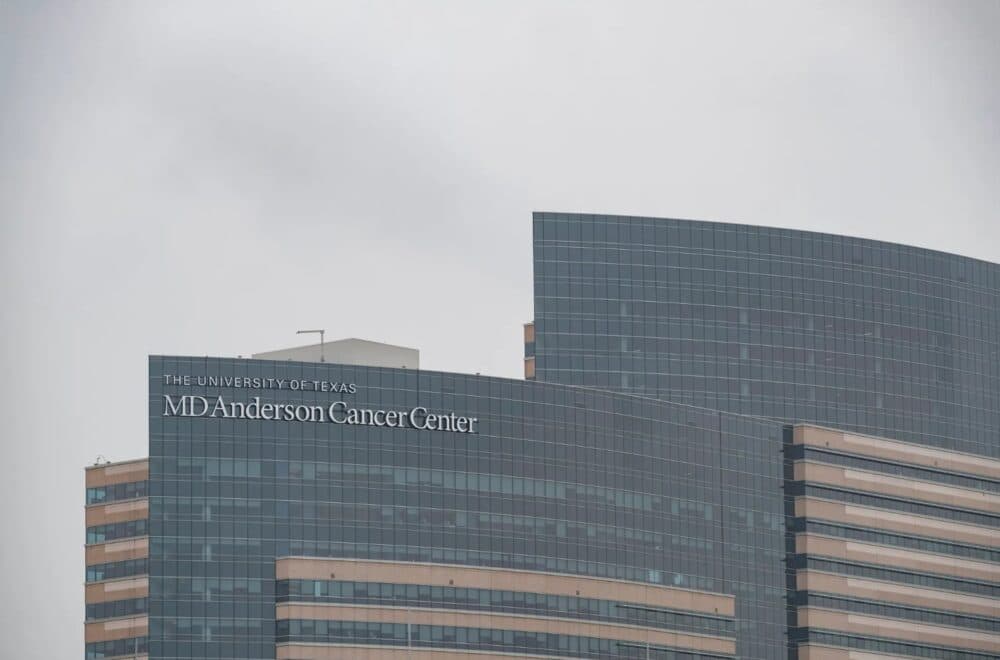
Gov. Greg Abbott’s H-1B visa limits could make it harder for MD Anderson Cancer Center to recruit the foreign-born scientists powering cancer research in the Texas Medical Center. For Harris County patients, that raises a local fear: slower clinical trials, staffing gaps in labs and hospitals, and a delay in the next breakthrough to come out of Houston.
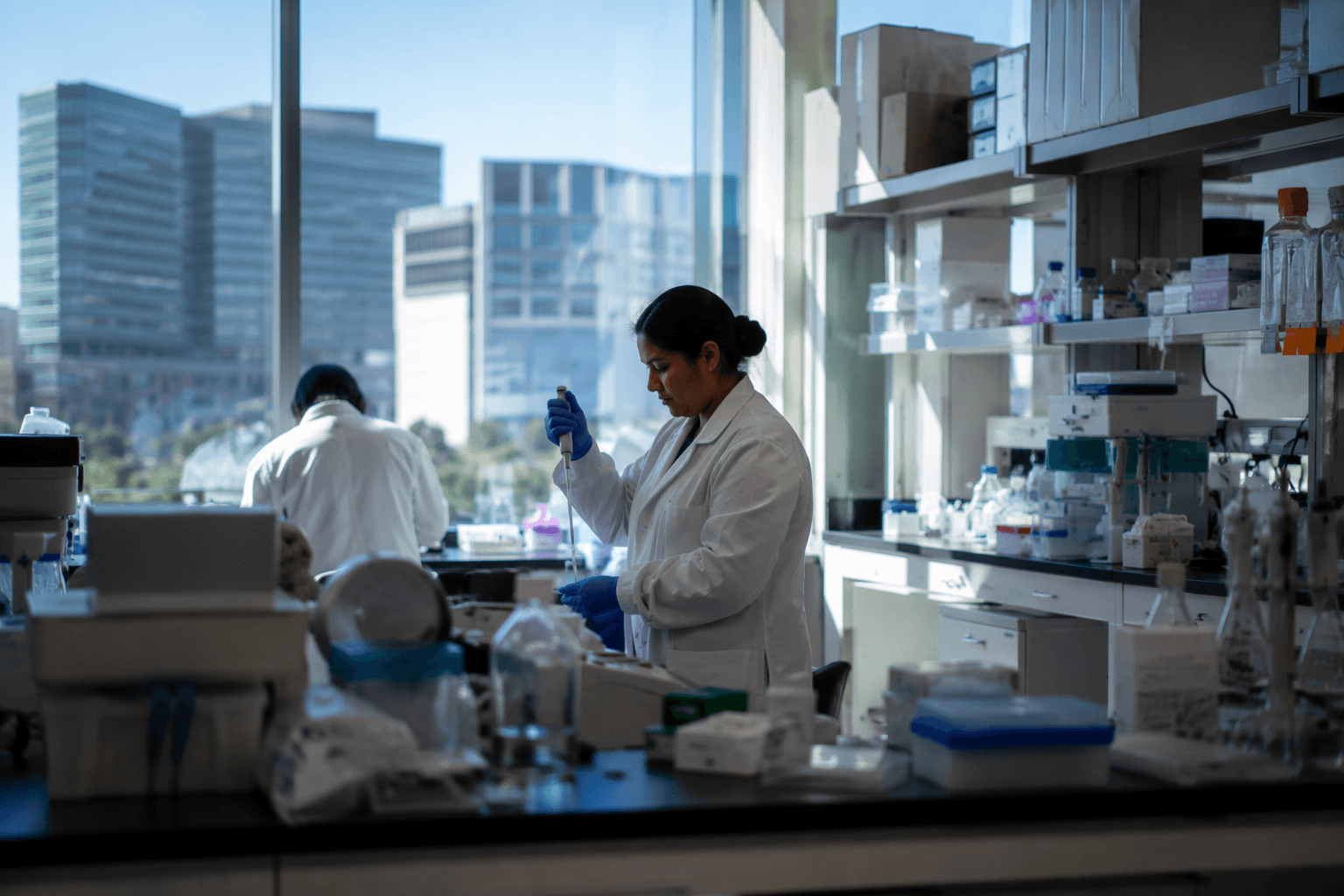
Texas has poured billions into the fight against cancer, and MD Anderson remains the state’s flagship institution in that effort. Houston Public Media described MD Anderson as a global leader in cancer research that taps hundreds of foreign-born scientists, a talent pipeline that helps keep the cancer center competitive as patients, grant money and specialists flow through the Texas Medical Center. When that pipeline narrows, the pressure does not stop at the lab door. It can show up in patient access, in the pace of trials, and in the region’s broader life-sciences economy, which depends on researchers, physicians, engineers and support staff being hired quickly and kept in place.
The policy shift traces back to Jan. 26, when The Texas Tribune reported that Abbott had halted H-1B visas at Texas universities and agencies. Five days later, the Tribune published an explainer on what the new H-1B visa policy meant for the state’s institutions. Texas Workforce Commission rules also require state agencies and institutions of higher education to seek written authorization before filing a new H-1B petition, making the hiring path more cumbersome for employers that depend on highly specialized workers.
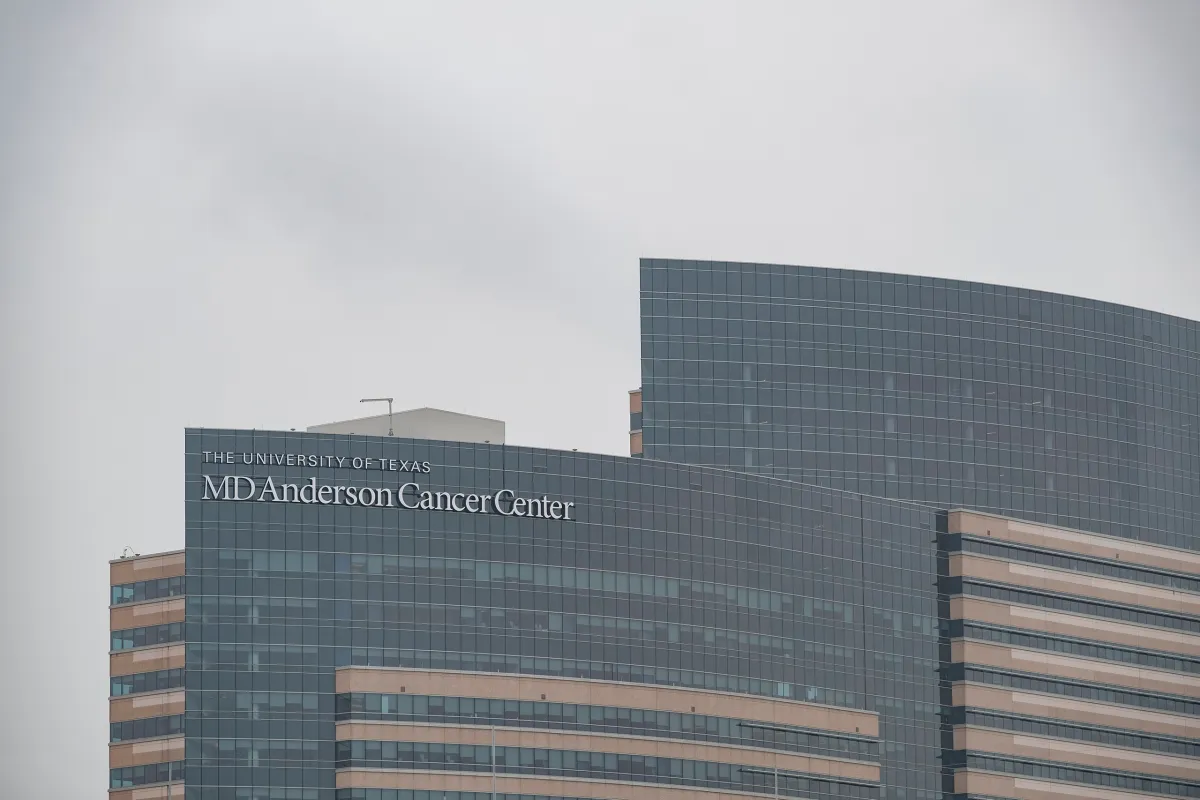
The stakes are broader than one hospital or one visa category. The National Science Foundation has highlighted the importance of foreign-born talent to the U.S. STEM workforce, and the National Academies devoted part of its 2024 book International Talent Programs in the Changing Global Environment to foreign-born scientists. In Houston, that national debate lands in a very local place: the cancer campus on Old Spanish Trail, where Texas has invested heavily and where patients from across the region come expecting speed, expertise and access to the next advance. If recruitment gets harder at MD Anderson, the public return on Texas’ cancer spending could take longer to arrive.
This article was produced by Prism’s automated news system from verified source data, official records, and press releases, then run through automated quality and moderation checks before publishing. The system is built and supervised by the people who set the standards it runs under. Read our full AI policy.
Did this article answer your question?