Pediatric strokes can strike children, fast action saves brain function
Children can have strokes, too. Harris County families need to spot one-sided weakness, speech trouble or seizures fast and get emergency care right away.
An 11-year-old girl had a stroke. Stroke can happen in newborns, children and teens, and even before birth, which means Harris County families need to know the warning signs before a child is in distress.
The danger is not just the stroke itself, but the time lost when adults assume a child is too young for it to happen. In pediatric stroke, the safest response is immediate emergency care. Texas Children’s Hospital guidance calls for rapid assessment and early intervention when acute ischemic stroke is suspected to prevent significant neurologic injury.

Why pediatric stroke is easy to miss
Pediatric stroke is uncommon, but it is real and it can leave lasting brain injury. Texas Children’s Hospital warned in 2011 that these strokes are not typical childhood health problems and can cause significant, long-lasting effects. The American Heart Association updated its pediatric stroke statement in 2019, building on guidance that was 10 years old, and Texas Children’s released an evidence-based guideline the same year for diagnosing and managing acute arterial ischemic stroke in children.
The American Red Cross added pediatric stroke to its first-aid guidance in 2024, and UChicago Medicine’s Feb. 7, 2024 explainer identified a common barrier to care: most people do not think kids can have strokes. That mistaken assumption is one reason symptoms get missed in homes, schools, sports fields and child-care settings.
Symptoms Harris County parents should treat as an emergency
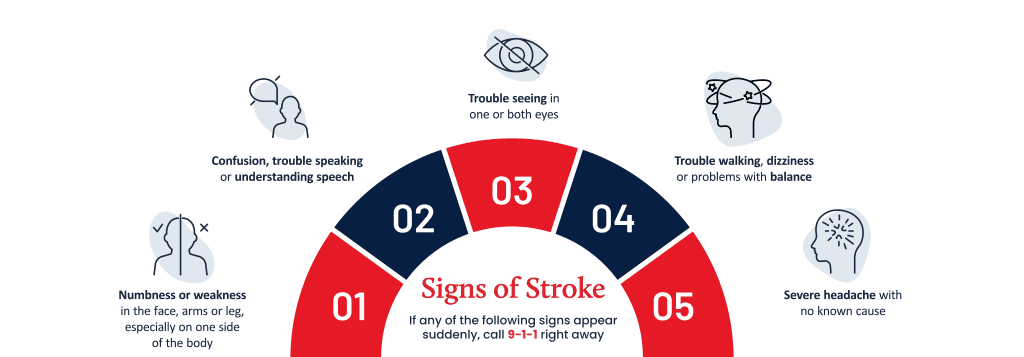
The warning signs in children can look a lot like adult stroke symptoms, and some are especially easy to dismiss as fatigue, a migraine or a passing illness. Families should treat the following as emergency symptoms:
- weakness or numbness on one side of the body
- facial drooping
- trouble speaking or understanding speech
- sudden severe headache
- confusion
- balance problems or trouble walking
- vision changes
- unexplained seizure activity
If a child has one of these signs, especially if it appears suddenly, do not wait to see whether it improves. Under Texas DSHS’s 2025 prehospital pediatric stroke recommendation, rapid recognition and appropriate treatment can profoundly improve outcomes, sparing children decades of disability.
What to do in the first minutes
The first response needs to be simple and fast.
1. Call 911 right away.
2. Note the exact time the child was last normal.
3. Go to emergency care without waiting for symptoms to fade.
That sequence matters because the next steps depend on speed. Rapid imaging and evaluation determine whether a child has had an ischemic stroke, a hemorrhagic stroke or another emergency, and the treatment window can close quickly. Texas Children’s 2019 guideline calls for rapid assessment because every minute counts when brain tissue is at risk.
Waiting at home to see if a child “sleeps it off” can waste the time that specialized treatment needs. In a child with weakness, speech trouble, facial droop or seizure activity, the goal is not to self-diagnose. The goal is to get the child evaluated immediately by emergency clinicians who can start the stroke workup.
Where families in Houston can get pediatric stroke care
Houston has pediatric stroke resources that families can turn to after the emergency response starts. Texas Children’s Hospital’s pediatric stroke clinic provides comprehensive evaluation and treatment for children and infants who have experienced a stroke. Early recognition and diagnosis are critical. For Harris County parents, that gives the region a clear pediatric specialty destination in Houston if a child needs stroke follow-up or advanced care.
UTHealth Houston also has a Pediatric Stroke program within its Stroke Institute, reinforcing that the city has dedicated expertise for children who need specialized stroke evaluation. The safest path is still 911 first, followed by transfer or referral to the right pediatric team.
Why the numbers matter, even though pediatric stroke is rare
Stroke in children does not happen often, but when it does, the stakes are high. Norton Healthcare’s 2022 pediatric stroke article places stroke as the sixth-leading cause of death in children, and Texas DSHS’s 2025 prehospital recommendation includes pediatric stroke among the top ten causes of death in pediatrics.
This article was produced by Prism’s automated news system from verified source data, official records, and press releases, then run through automated quality and moderation checks before publishing. The system is built and supervised by the people who set the standards it runs under. Read our full AI policy.
Did this article answer your question?