Baytown woman accused of doxxing sex offender’s family online
Harris County authorities say Darien Lombrana repeatedly posted about a registered sex offender’s family in Baytown and put their address online.
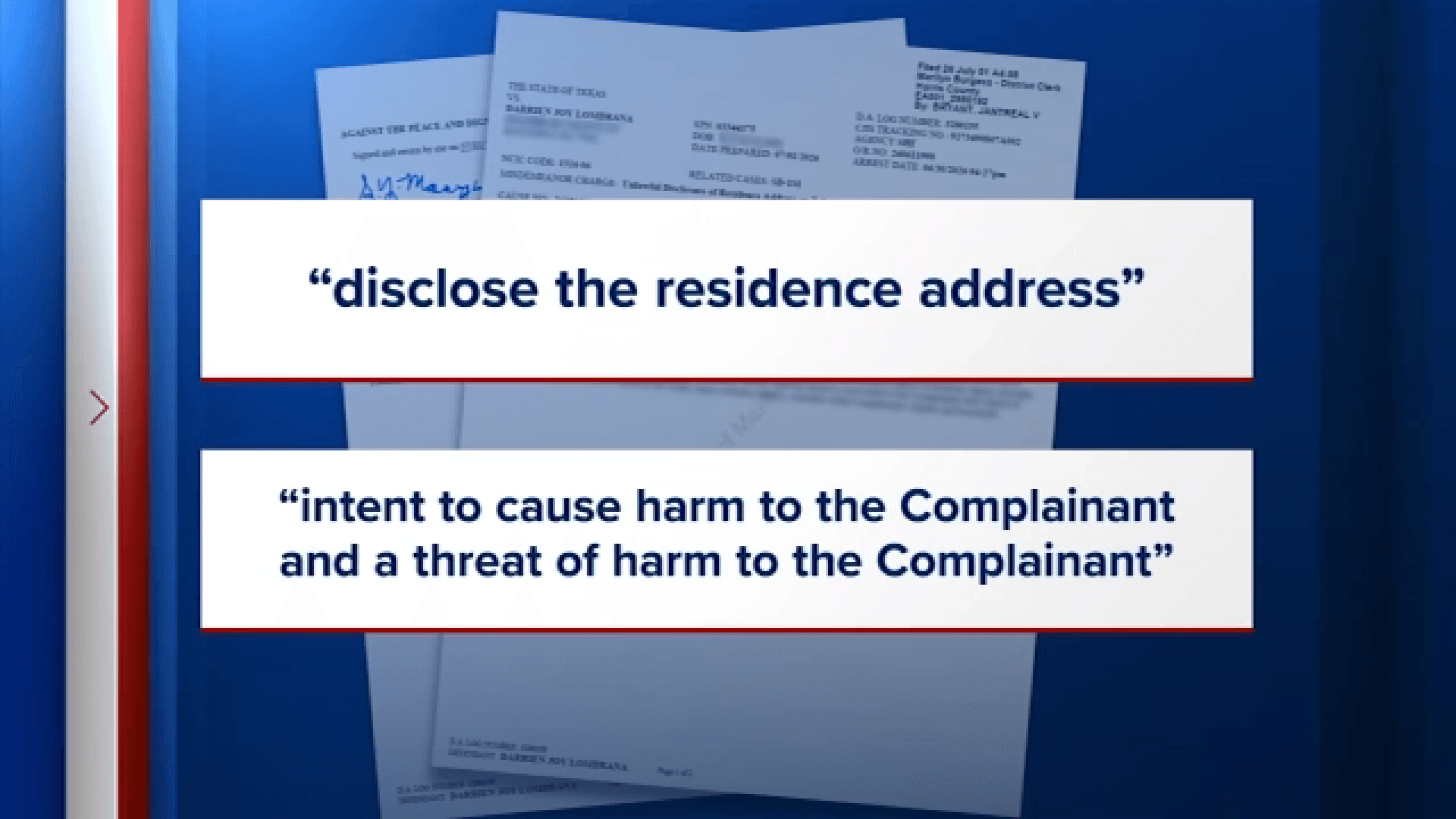
A Baytown online dispute over a registered sex offender escalated into a criminal allegation when Harris County authorities accused Darien Lombrana, 25, of targeting the offender’s relatives on social media and community pages. Court-record-based reporting says the family’s address was also posted online, raising the case from a heated post to a potential real-world safety threat.
Investigators said the posts were made “over and over” and were meant to “harass, annoy, alarm, abuse, torment, and embarrass” the family. The accusations focus not only on the registered sex offender, but also on relatives who were pulled into the dispute after their personal information circulated online.

The case sits at the intersection of neighborhood anger and harassment law in Harris County, where residents often use Facebook groups and other local pages to flag concerns. Texas’ sex-offender registration law, Chapter 62 of the Texas Code of Criminal Procedure, requires registrants to report where they live to local law enforcement, and the Texas Department of Public Safety says the state’s sex-offender registration and public notification program is designed to protect the public from sex offenders.
Harris County Sheriff’s Office officials say the county has more than 3,000 known sex offenders, a number that helps explain why these disputes can spread quickly through suburban neighborhoods from Baytown to other parts of the county. The sheriff’s office also says it is the largest sheriff’s office in Texas and the third largest in the nation, giving its investigators a wide footprint on cases that spill from online criticism into alleged harassment.
The public record available so far does not show a conviction, but it does show how quickly posts can cross a line when they move from warning neighbors to exposing family members. In cases involving safety concerns, the lawful path runs through law enforcement and official notification channels, not through posting a home address or other identifying details for others to find.
This article was produced by Prism’s automated news system from verified source data, official records, and press releases, then run through automated quality and moderation checks before publishing. The system is built and supervised by the people who set the standards it runs under. Read our full AI policy.
Did this article answer your question?