Houston businesses brace for trade uncertainty as Port traffic hits record
Port Houston's record cargo year shows how much Harris County depends on trade, just as tariff and border uncertainty pushes companies to rethink hiring, inventories, and prices.
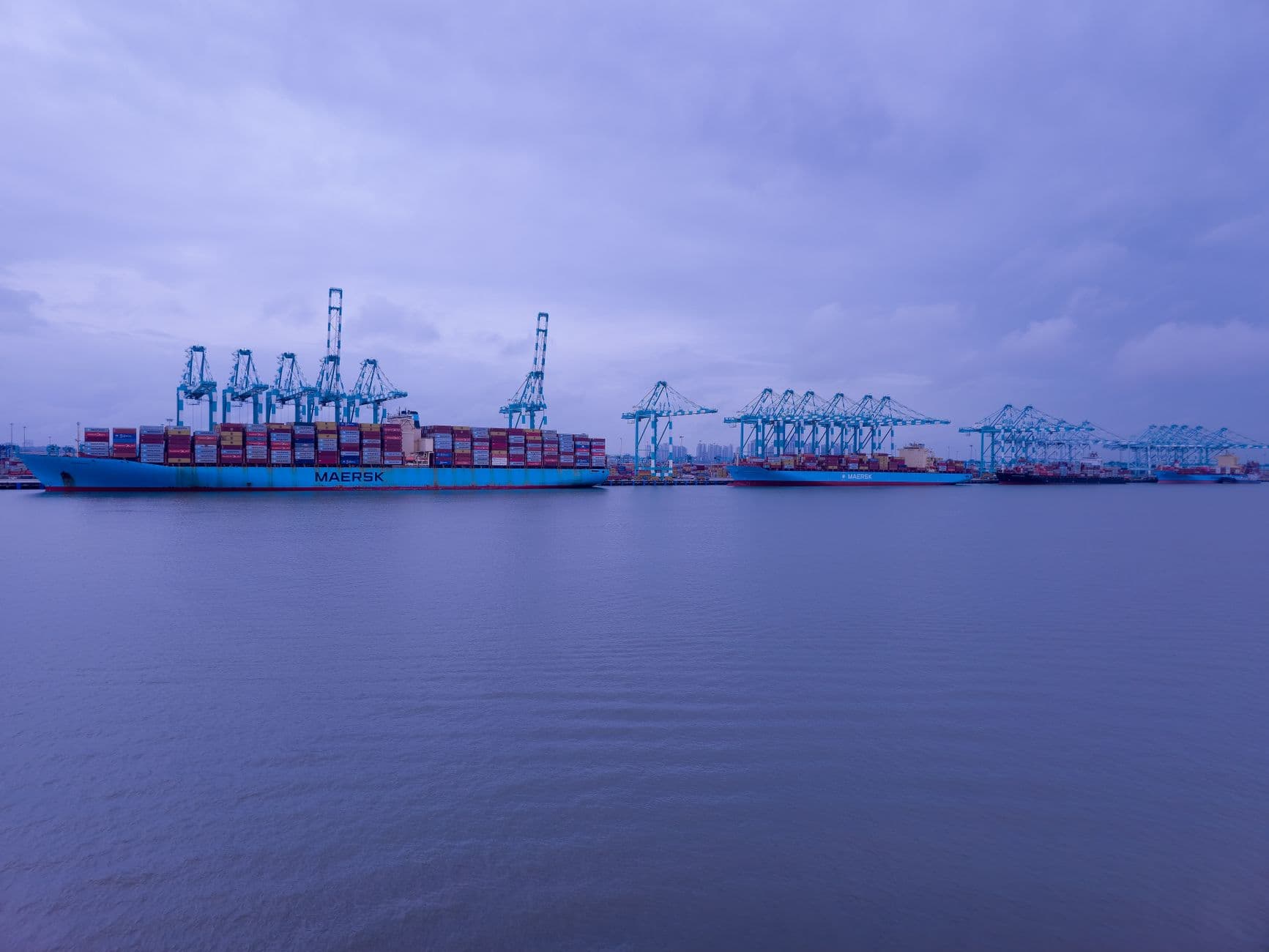
Port Houston handled 53.07 million tons of cargo across its public terminals in 2024, a record and a 6% increase from 2023. For companies clustered around the Houston Ship Channel, that record is a reminder that Harris County’s economy moves with the flow of ships, containers, trucks, warehouse inventory, and cross-border orders. Uncertainty around U.S.-Mexico-Canada trade now reaches deep into local hiring and pricing decisions.
Port Houston’s scale sets the stakes
That volume is part of why the Houston area feels trade shocks so quickly: the port is a working piece of the regional economy that helps move energy products, manufactured inputs, agricultural goods, and finished merchandise.
Houston is a major gateway for international commerce. That position matters in Harris County because the port is tied to a wider network of warehouses, customs brokers, trucking firms, exporters, and importers that depend on predictable shipping schedules and stable border rules. When the flow is steady, those businesses can plan ahead. When the rules shift, their margins and timelines shift with them.
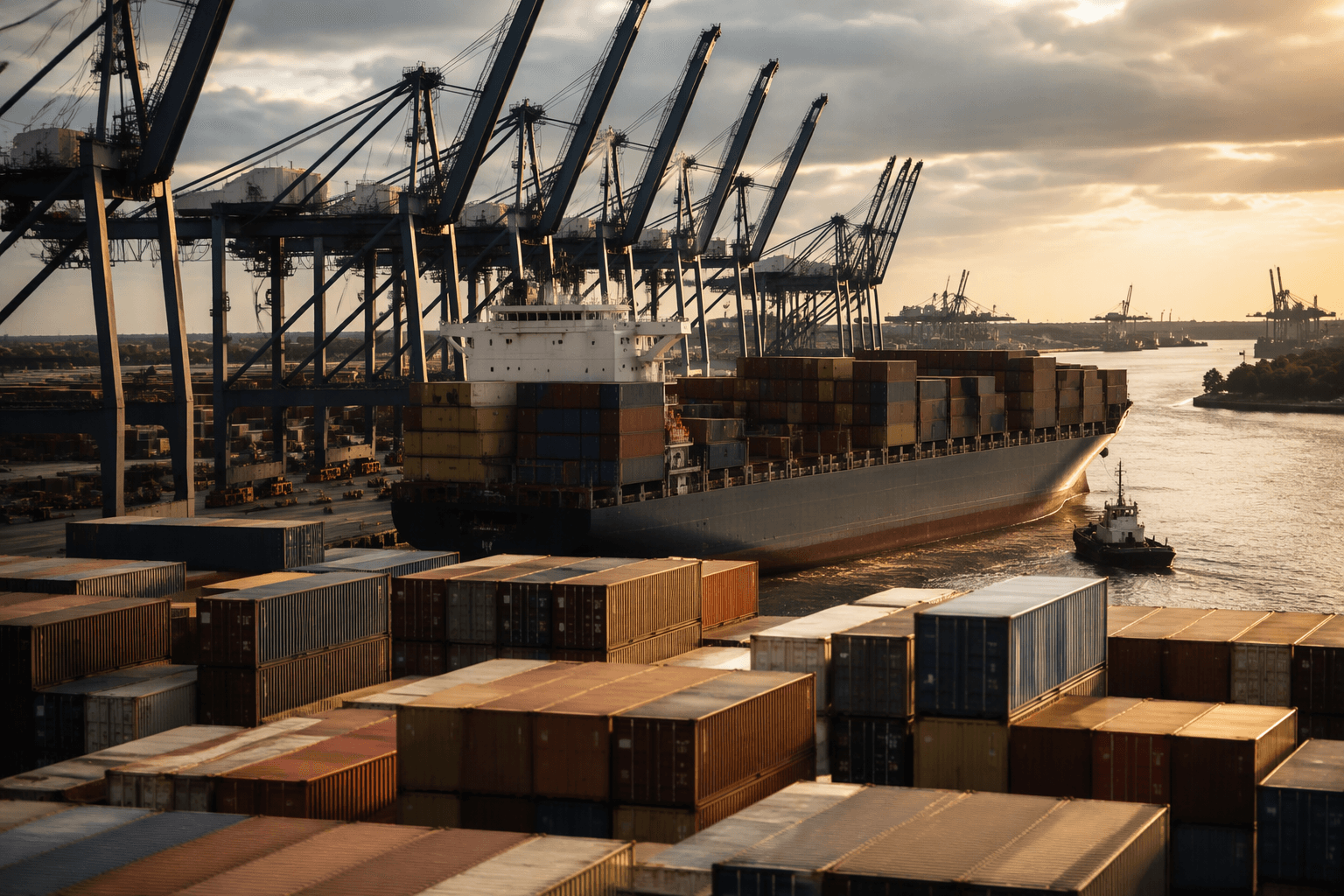
Uncertainty changes business decisions before it changes headlines
Trade uncertainty does not wait for a formal tariff announcement to affect operations. It can alter whether a warehouse on the east side of Harris County orders more inventory, whether a manufacturer in the industrial corridors near the Ship Channel commits to a new production line, or whether a small import-export firm takes on a contract that could become unprofitable if costs rise. That hesitation shows up in ordinary business choices: fewer long-term commitments, leaner stockpiles, and slower hiring.
For trucking firms and logistics operators, the risk is especially concrete. A shipment that looks profitable at the start of a quarter can turn costly if border procedures, tariff assumptions, or supply chain schedules change. For retailers and wholesalers, that same uncertainty can spill into pricing, because firms that do not know what they will pay next month often build in a cushion today. In a county with so much employment tied to freight movement and industrial activity, those cautious moves can ripple outward into job growth and consumer prices.
Houston’s business leaders are focused on predictability
In its May economy-at-a-glance materials, the Greater Houston Partnership warned that evolving trade policies and geopolitical tensions were creating economic uncertainty in 2025, even as Houston entered the year with a strong foundation. The materials also centered Houston’s trade volumes in 2024 because of the region’s central role in the global economy.
The Texas Association of Business urged support for tariff-free trade with North American partners and called recent tariff developments significant for businesses. For Harris County employers, the appeal for predictability is practical, not ideological. Companies can manage competition, fuel costs, labor costs, and freight rates more effectively than they can manage a moving target on tariffs or border policy. Stable rules make it easier to plan payrolls, commitments to suppliers, and investments in equipment or expansion.
Why North American trade is especially important here
The Houston area’s exposure to Mexico trade runs through ports, energy, manufacturing, and logistics networks that have developed over decades. That long integration is part of the backdrop for the 2025 trade publication CROSSING PATHS, which included a chapter on Thirty Years of NAFTA/USMCA Integration. The U.S., Mexico, and Canada are not just trading partners, but deeply linked production systems, with parts and finished goods often crossing borders multiple times before they reach customers.
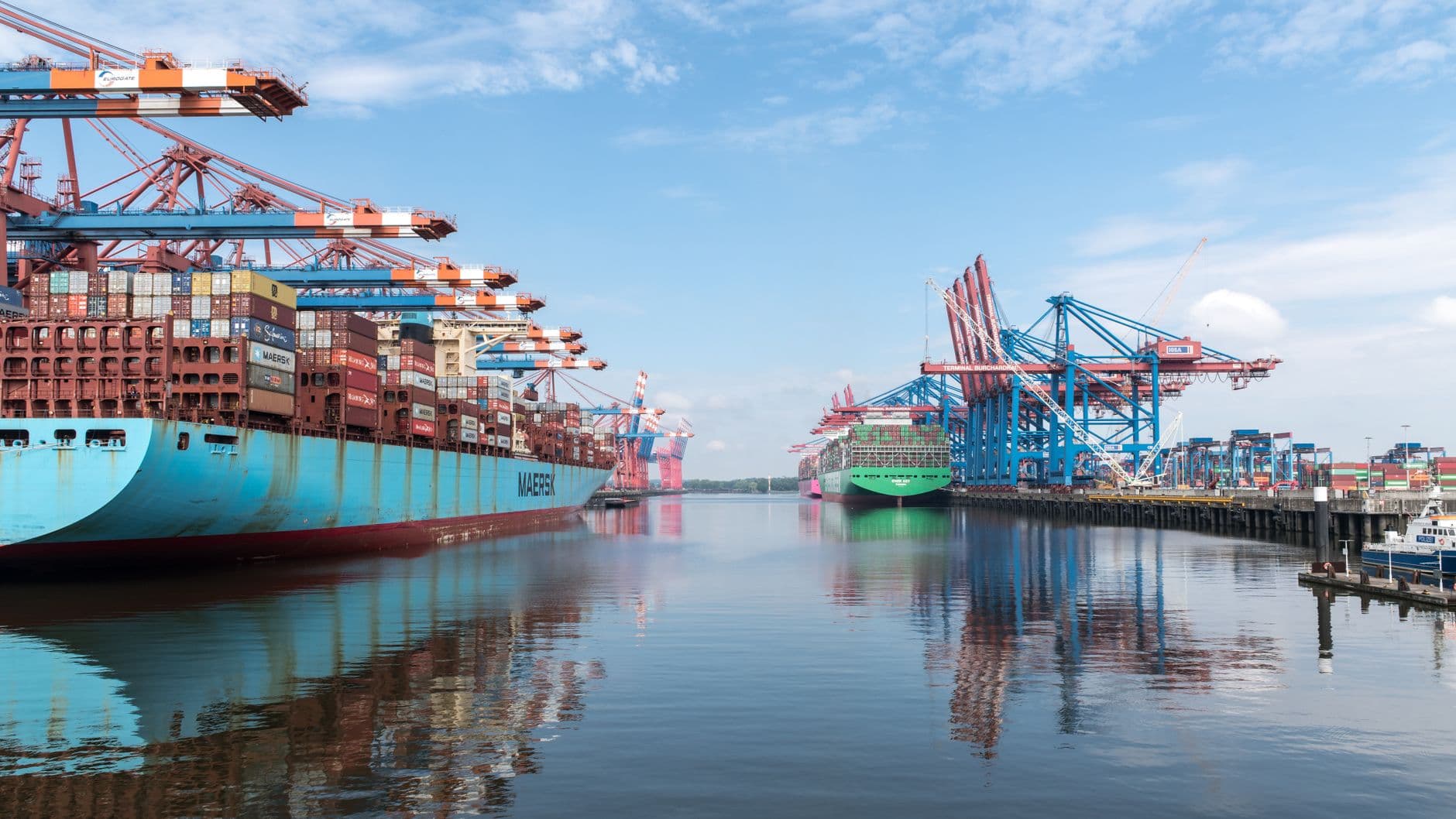
That history helps explain why uncertainty can land so hard in Houston. A refinery, fabricator, warehouse operator, or distributor in Harris County may depend on inputs that arrive from Mexico, move through Texas, and then feed into national or global supply chains. If those flows slow or become more expensive, the effect does not stay at the border. It works its way into contracts, overtime decisions, and the pace of investment across the region.
What it means across Harris County
The local impact is spread across the county’s logistics economy. Port activity supports jobs at the docks and in nearby terminals, but it also supports warehouse workers, dispatchers, customs specialists, drivers, maintenance crews, and the small businesses that sell parts, packaging, and services to them. Manufacturers rely on imported components and exported output. Small import-export firms depend on timing and price certainty to survive in a competitive market where even a small change in duty exposure can erase profit.
This article was produced by Prism’s automated news system from verified source data, official records, and press releases, then run through automated quality and moderation checks before publishing. The system is built and supervised by the people who set the standards it runs under. Read our full AI policy.
Did this article answer your question?