Texas THC crackdown raises questions for Houston hemp retailers
Texas' new THC ban removes delta-8, delta-10 and THCP products, but delta-9 remains legal, leaving Houston retailers sorting inventory and enforcement risk.
Texas’ July 31 THC crackdown is forcing Houston retailers to rethink what stays behind the counter and what has to come off the shelf. The state’s new rules ban several hemp-derived intoxicating products, but they do not wipe out every THC item, leaving Harris County smoke shops, vape stores, gas stations and wellness retailers trying to sort legal stock from prohibited stock in real time.
What the ban removes from shelves
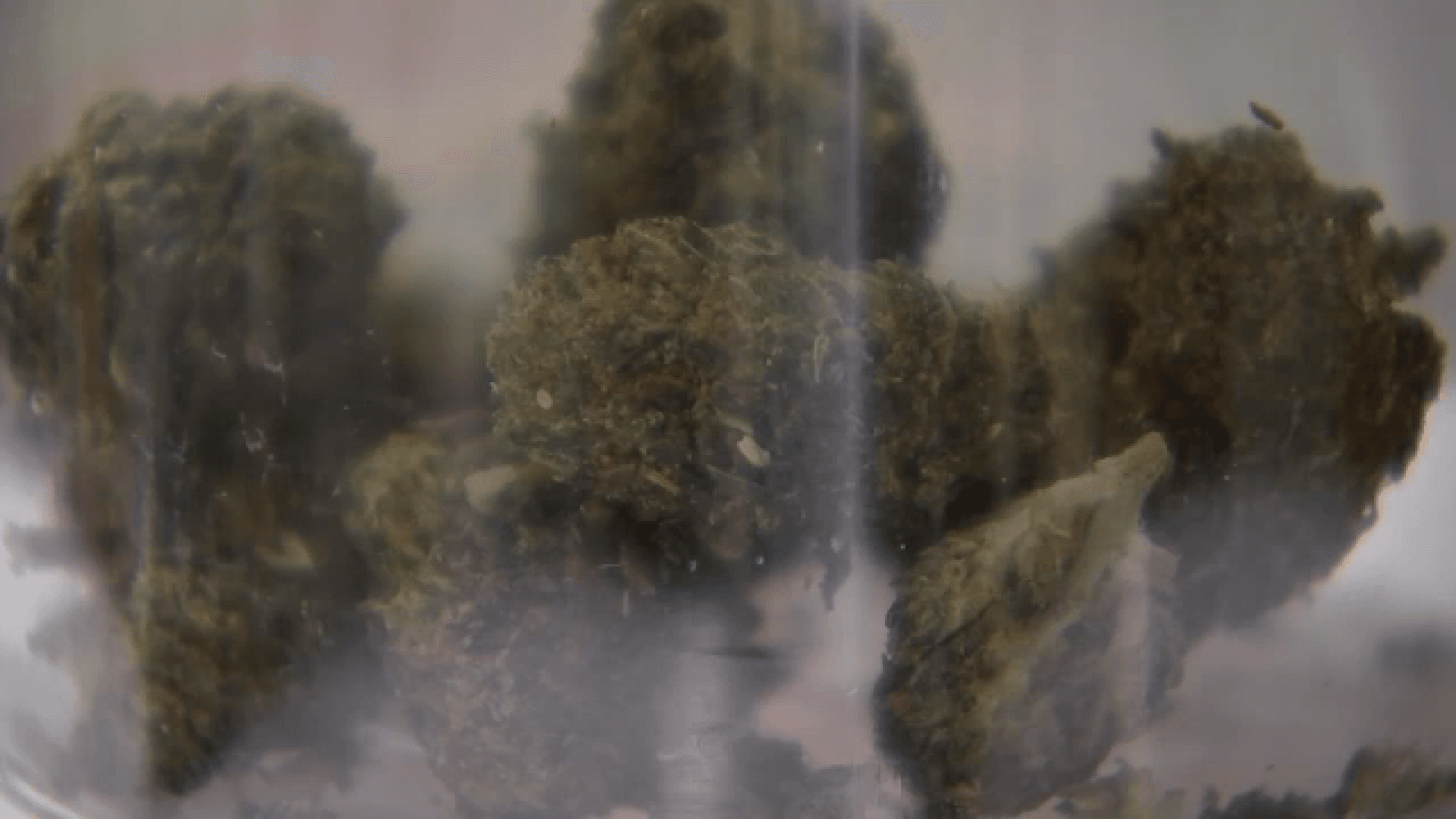
The clearest change is that Texas is now barring several synthetically derived cannabis products, including hemp-derived THC items such as delta-8, delta-10, THCP and other non-delta-9 THC isomers. Those products are the ones most likely to disappear from Houston area counters as the Texas Department of State Health Services begins enforcing the new rules.
Many of the products sold in Houston were marketed as hemp even when they were designed to produce a marijuana-like high. For shop owners, the immediate legal question is not whether the package says hemp, but whether the item falls into the banned group of intoxicating THC isomers that Texas has now singled out.
The crackdown followed months of legal whiplash. In late March, stores were already scrambling to sell smokable hemp products before a March 31 ban took effect under new DSHS regulations. A Travis County judge issued a temporary injunction in May, allowing hemp flower and concentrates to stay on shelves and blocking sharply higher state fees for hemp businesses, before a Texas Supreme Court ruling later in May cleared the way for the state to prohibit the sale of certain smokeable products.
What can still be sold
The main product category that remains clearly legal under the new rules is delta-9 THC. Houston consumers may assume all THC products are now banned, and retailers need to keep legal inventory moving without accidentally pulling products that still comply with Texas law.
Even after the crackdown, not every hemp product disappears. The state action targets specific intoxicating compounds, not the entire hemp market, so the shelf question now turns on the chemistry of the item itself and whether it fits within the remaining legal lane. For a store on Westheimer, a gas station off I-45 or a wellness boutique in Harris County, that means every SKU needs a fresh review rather than a broad assumption that “hemp” still equals legal.
Confusion can become an enforcement problem. Products that stayed available during earlier court fights may no longer be safe to sell now, while items built around delta-9 THC remain legal and can still be stocked if they fit Texas rules. In practice, store managers are having to separate their inventory into what the ban reaches and what it does not, instead of relying on packaging language or old supplier assurances.
Why Houston is feeling it first
Houston has become one of Texas’ biggest markets for hemp-derived consumables, and that makes the crackdown especially disruptive in Harris County. Smoke shops, wellness retailers, vape stores and gas stations built business models around products sold as legal alternatives to marijuana, so the state’s shift hits the region as both a legal change and a commercial one.
Hundreds of stores in the Houston area could be affected, and one Houston-area business owner told KHOU that a significant portion of inventory had already been pulled. Retailers are trying to avoid being left with products that could turn illegal overnight or expose them to an inspection problem.
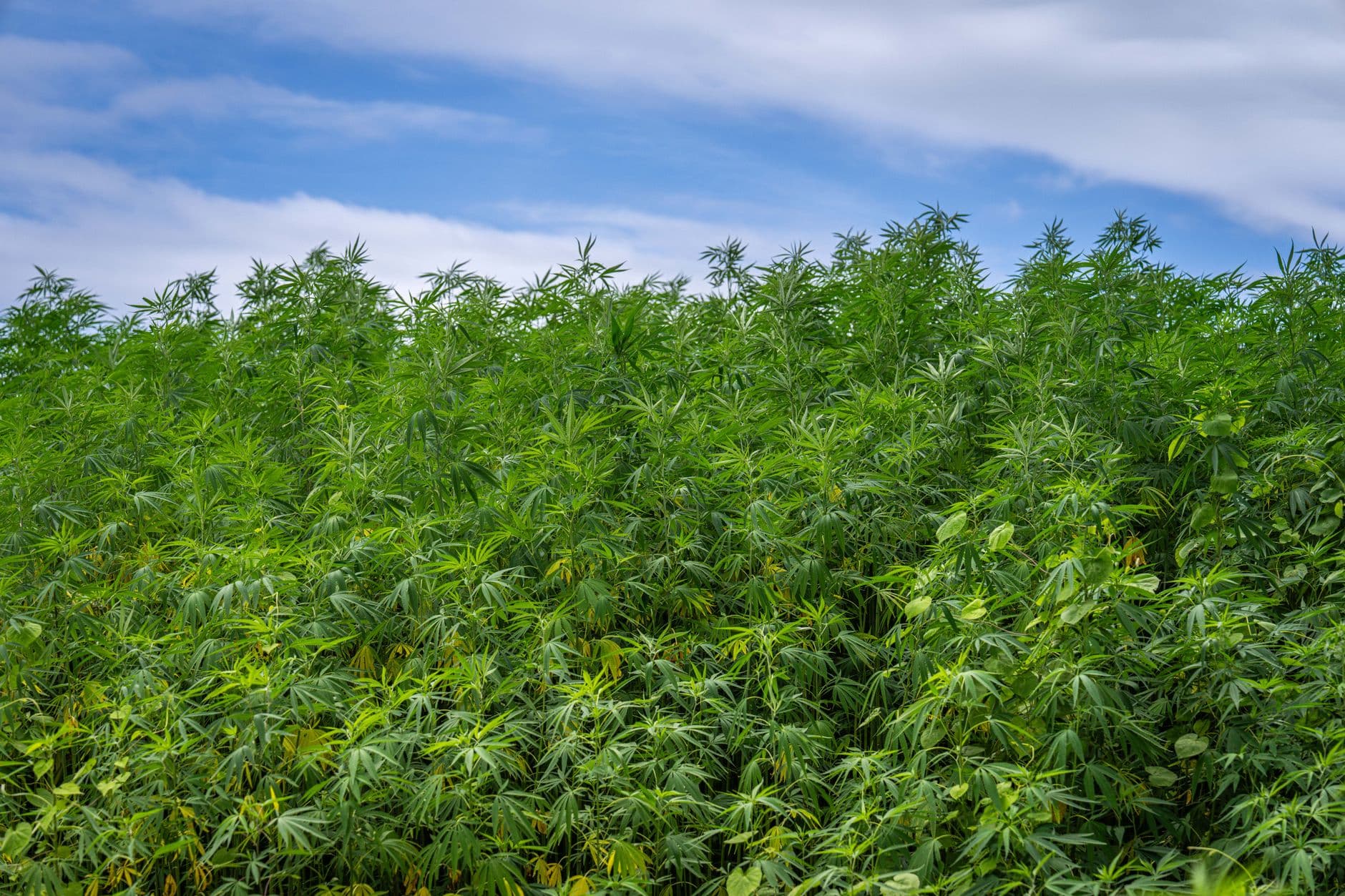
Wholesalers and suppliers may need to rework distribution quickly, and small retailers could see lost revenue if their best-selling THC products are banned. In a dense retail market like Harris County, that can also mean shorter hours, fewer shifts or even closures if owners cannot replace the sales fast enough.
Where the rules still feel murky
Even with the July 31 crackdown in effect, the enforcement picture has been unsettled for months. In June, Texas hemp rules were able to take effect while enforcement remained unclear, leaving retailers to figure out not just what the law says, but how aggressively the state will act on the ground.
Repeated legal and regulatory swings have driven that uncertainty. The hemp market opened after Texas legalized hemp in 2019, but lawmakers, agencies and courts have spent the last several years tightening and testing restrictions on intoxicating hemp products. The result is a market that has been repeatedly reset, leaving business owners in Houston to recheck inventory far more often than most retail categories require.
For consumers, the confusion can be just as costly. People who buy THC products for recreation, stress relief or sleep may not realize that a product that looked legal last month could now be banned if it is one of the hemp-derived intoxicating compounds Texas has targeted. The safest way to read the new rules is simple: delta-9 THC products remain legal, while delta-8, delta-10, THCP and other non-delta-9 intoxicating hemp products are the ones now facing removal.
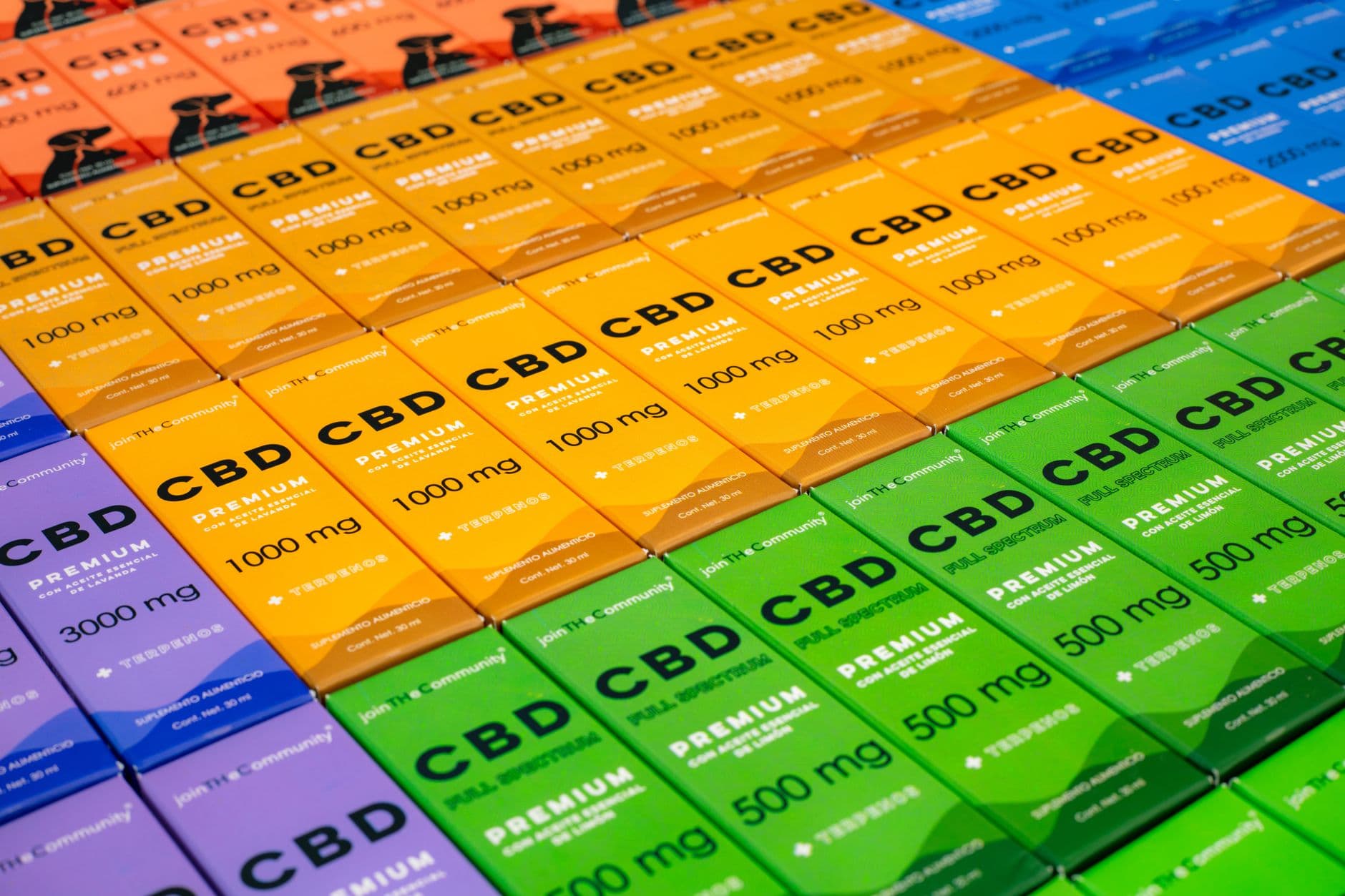
What Harris County shoppers and shop owners should check now
- Look at the THC type, not just the word hemp on the label.
- Separate delta-8, delta-10, THCP and other non-delta-9 isomer products from regular stock.
- Recheck smokeable hemp inventory before putting it back on display.
- Make sure employees know which products still qualify under Texas rules and which ones do not.
This article was produced by Prism’s automated news system from verified source data, official records, and press releases, then run through automated quality and moderation checks before publishing. The system is built and supervised by the people who set the standards it runs under. Read our full AI policy.
Did this article answer your question?