Baytown police investigate officer accused of misusing Flock cameras
Baytown police opened criminal and internal affairs probes after an officer was accused of misusing Flock cameras. The system can track plates, movement and location data.
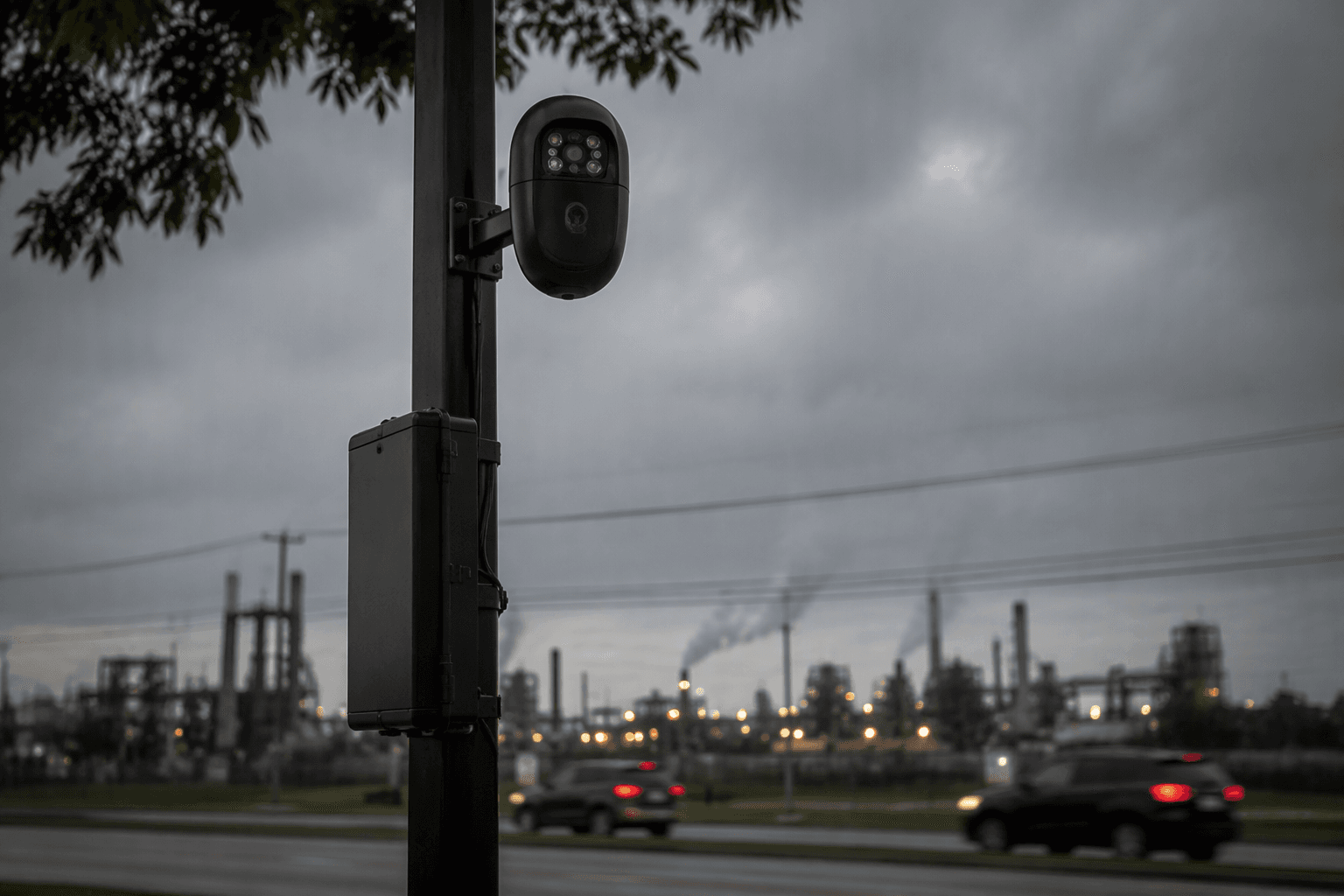
Baytown police opened internal affairs and criminal investigations after Chief John Stringer said an officer was accused of misusing the department’s Flock License Plate Reader System. The cameras automatically read license plates and can help detectives track stolen vehicles, locate suspects and build investigative timelines, but they also create location data about ordinary drivers and residents who pass through Baytown and surrounding Harris County streets.
Stringer said on July 24 that he had received allegations involving the system and added, "We take these allegations seriously, and we hold steadfast accountability." Baytown police later posted a public update tied to the chief as the department treated the matter as an official public safety issue.
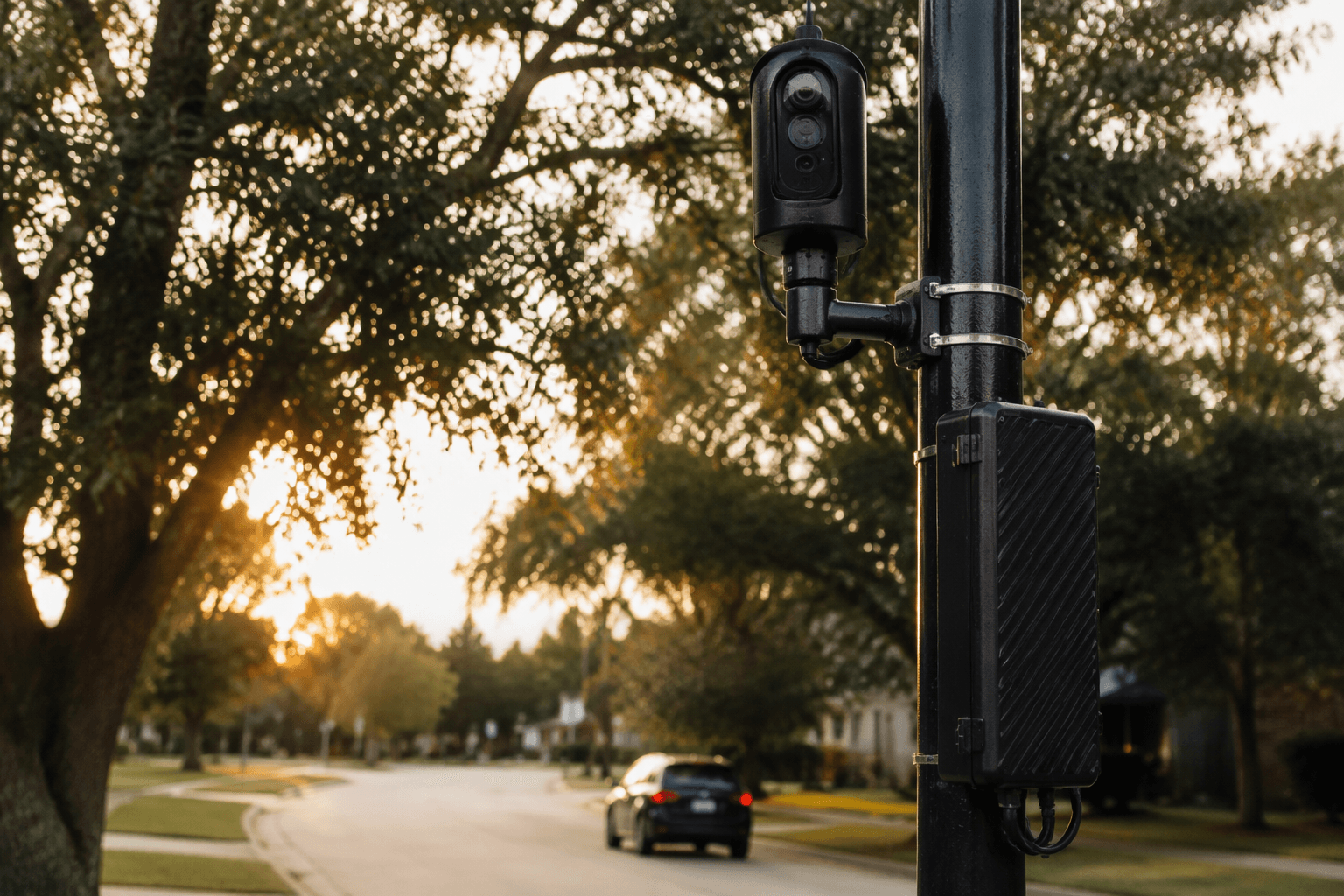
The questions now go to access and oversight: who used the Flock network, what searches were run, whether the searches had a work-related reason and whether any information was viewed or shared outside policy. Baytown’s own License Plate Recognition Systems policy says it is meant to set rules for access, collection, storage and retention of LPR data. A Baytown police post on the case also said audit records documenting all ALPR searches must be kept for at least seven years, creating a paper trail supervisors can use to review whether an officer stayed within policy.
If the review finds abuse, the department could move from retraining to suspension, termination or a criminal referral, depending on what investigators conclude. That makes the audit trail central, because a plate-reader system is only as accountable as the logs that show when it was accessed and why.
The Baytown case lands in a larger debate across the Houston area, where Flock cameras have become a common crime-fighting tool for suburban departments and county agencies. CNN reported this month that Flock Safety operates about 120,000 surveillance cameras nationwide, and it noted that Milwaukee Police Department internal affairs detectives began investigating an officer accused of misusing Flock last December. Those cases have sharpened scrutiny of whether local departments have meaningful checks beyond their own internal affairs units.
For Baytown and other Harris County agencies, the issue is not whether plate readers can help solve crimes. It is whether departments can prove they are watching the watchers, and whether the records left behind are strong enough to prevent a public safety tool from becoming a private surveillance shortcut.
This article was produced by Prism’s automated news system from verified source data, official records, and press releases, then run through automated quality and moderation checks before publishing. The system is built and supervised by the people who set the standards it runs under. Read our full AI policy.
Did this article answer your question?